What Does Rye Bread Taste Like
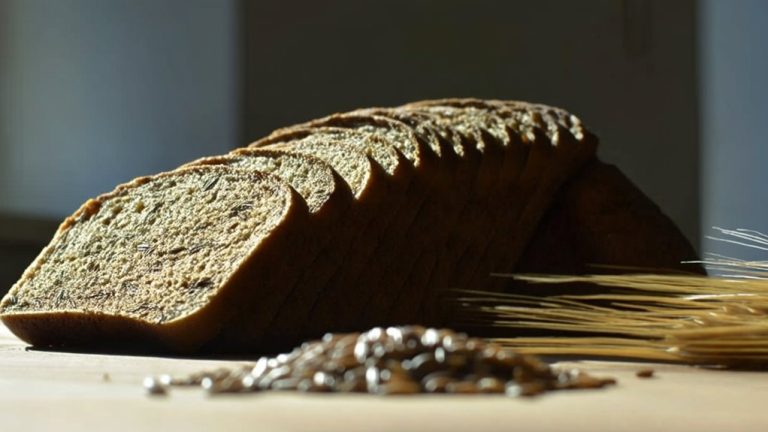
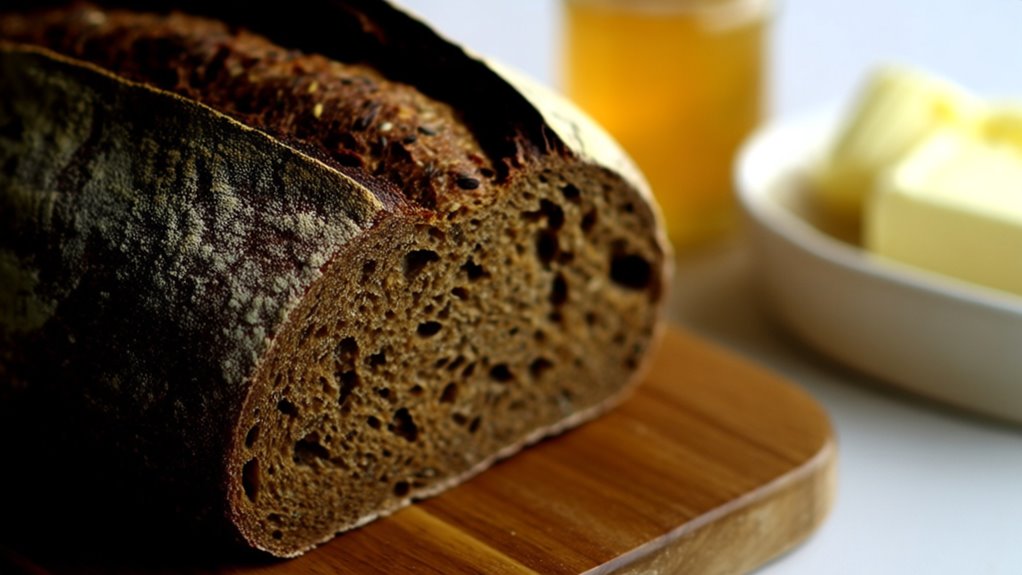
If you try rye bread, you’ll notice its bold, earthy flavor with a subtle tang that’s often slightly sour.
Light rye tastes milder and softer, while dark rye delivers richer, more robust notes with some bitterness.
Fermentation adds complex sourness and a chewy texture, and ingredients like caraway seeds or molasses can deepen its aromatic or sweet qualities.
How it’s made and paired can bring out even more character you might love to explore.
Flavor Profile of Rye Bread
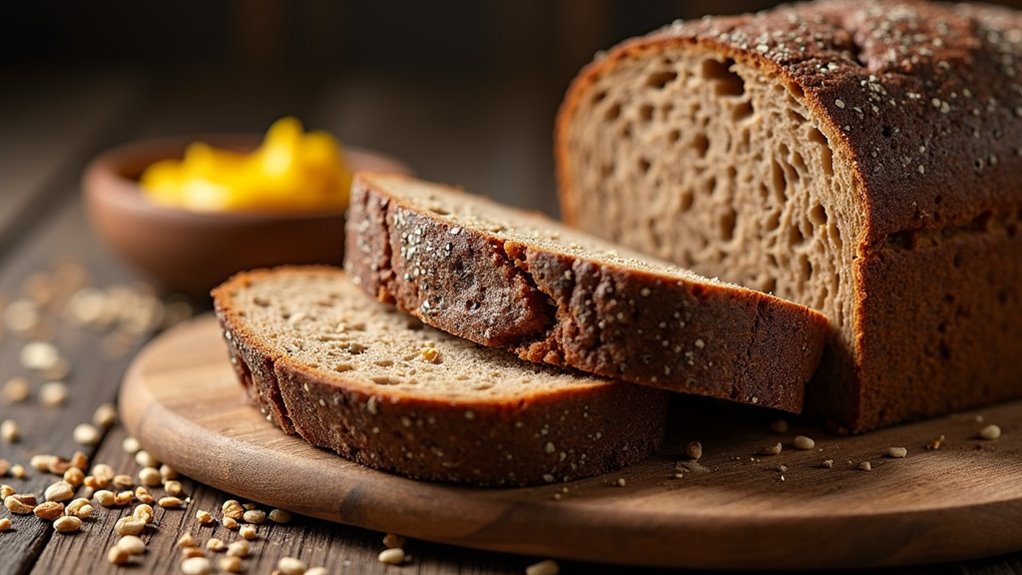
The flavor of rye bread stands out with its earthy and slightly sour notes, making it more robust than typical white bread. When you taste rye bread, you’ll notice its distinctive earthy flavor paired with a slightly sour flavor that adds depth. This robust flavor often carries mild bitterness, creating a complex flavor profile that lingers pleasantly.
Caraway seeds are sometimes added, enhancing the bread’s nutty, aromatic qualities without overpowering its natural taste. The rye bread taste varies depending on the flour and fermentation time, but it consistently offers a balance of rich, tangy, and slightly bitter notes. If you enjoy bread with complex flavors and a fuller body, rye bread’s unique taste is sure to satisfy your palate. Additionally, the sourdough fermentation process used in some rye breads enhances its digestibility and adds to its distinctive flavor.
Differences Between Light and Dark Rye
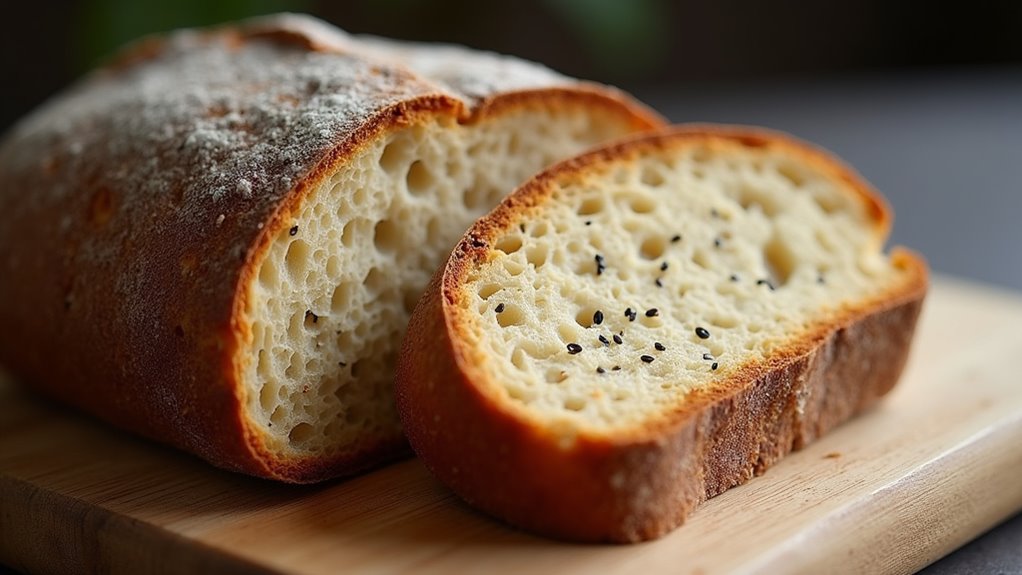
You’ll notice light and dark rye breads differ quite a bit in flavor, texture, and ingredients. Light rye is milder and softer, while dark rye offers a denser crumb with richer, tangier notes.
Let’s explore what makes these differences stand out and how they affect your tasting experience. Additionally, dark rye bread typically contains higher levels of soluble fiber, which can aid digestion and promote feelings of fullness.
Flavor Contrast Overview
Two main types of rye bread—light and dark—offer distinct flavor experiences you’ll notice right away. Light rye bread uses white rye flour, giving it a milder, less acidic flavor that’s great if you prefer subtlety.
Dark rye bread, often made from whole grain rye, delivers a richer, earthy flavor with hints of molasses or cocoa and a tangy taste from longer fermentation. This contrast means light rye’s flavor is more neutral, while dark rye’s is robust and complex.
| Feature | Light Rye Bread | Dark Rye Bread |
|---|---|---|
| Flour Type | White rye flour | Whole grain rye flour |
| Flavor | Mild, subtle | Earthy, rich, tangy |
| Acidity | Less acidic | More tangy |
| Color | Light | Dark |
| Notes | Soft, mild flavor | Molasses, cocoa undertones |
Texture and Density Differences
One key difference you’ll notice between light and dark rye breads is their texture and density. Light rye, made from white rye flour, has a finer texture and softer crumb due to its lower rye flour content, usually around 25%. This results in a milder flavor profile and less acidity.
In contrast, dark rye incorporates whole grain rye flour, which gives it a denser, chewier texture with a coarser crumb. The higher fiber content in dark rye contributes to its moist density, making it perfect for hearty sandwiches. Additionally, the fermentation process in dark rye enhances its complex, sour notes, further influencing its texture and mouthfeel.
Typical Ingredient Variations
The main difference between light and dark rye bread lies in their ingredients, which shape both flavor and texture. Light rye is made from white rye flour, giving it a milder flavor profile and a softer texture. Dark rye, on the other hand, uses whole grain rye flour or additions like cocoa and molasses, resulting in a denser, coarser texture and a richer, earthier taste.
These ingredient variations create distinct taste experiences: light rye feels subtle and less acidic, while dark rye offers a robust, complex flavor that pairs well with hearty foods. If you’re curious, marbled rye combines both types, balancing the gentle and intense flavors in one loaf, making your rye bread experience even more diverse.
The Role of Fermentation in Taste
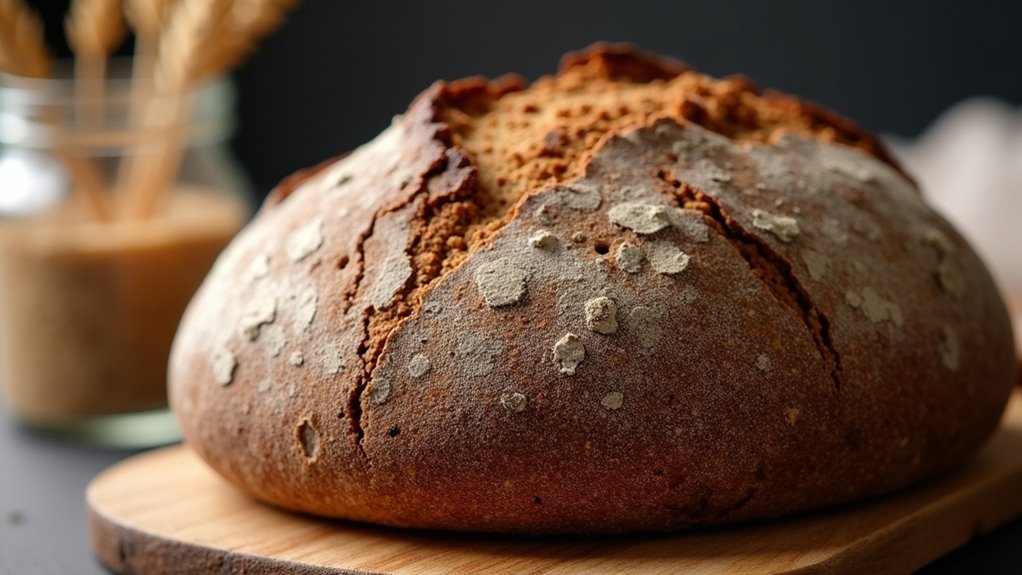
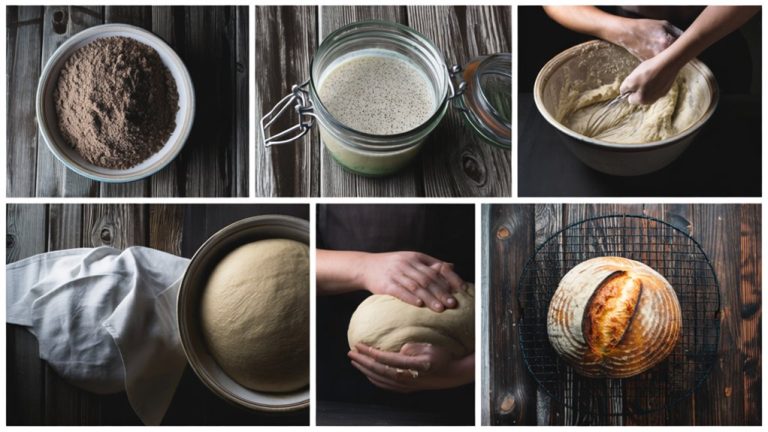
Although rye bread’s unique taste comes from many factors, fermentation plays an essential role in shaping its flavor. During fermentation, lactic acid bacteria introduce sour and tangy notes that define rye’s distinct taste, similar to sourdough. The process breaks down sugars and starches, creating a complex flavor profile that deepens with longer fermentation times.
Rye’s lower gluten content results in a denser crumb, which holds moisture and contributes to a chewy texture that enhances the overall flavor experience. Fermentation also balances bitterness, preventing it from becoming overwhelming. Beyond taste, this process improves rye bread’s nutritional value by increasing mineral bioavailability. The acid production during fermentation also enhances flavor and gluten structure, further distinguishing rye bread’s characteristic taste.
Impact of Added Ingredients on Flavor
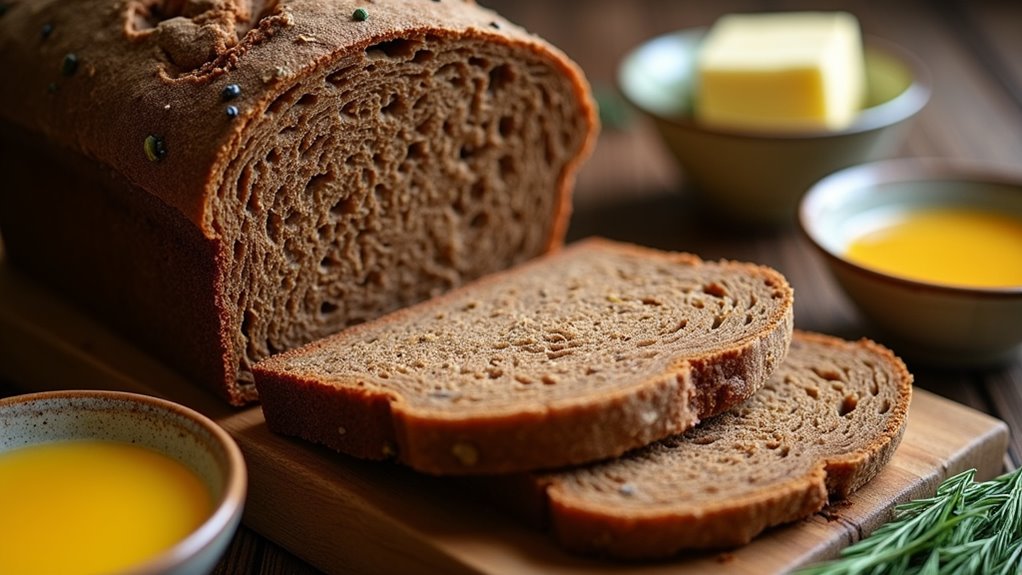
When you add ingredients like caraway seeds or molasses to rye bread, you’re not just changing its taste—you’re enhancing its character. Caraway seeds bring a distinctive anise-like flavor, making the rye bread more aromatic and complex. Sweeteners like molasses or honey balance rye’s natural bitterness, adding subtle sweetness and depth to the flavor.
These added ingredients work alongside fermentation, which introduces sour notes; longer fermentation intensifies the bread’s tanginess and complexity. Incorporating seeds or nuts can also complement rye’s earthy flavor, enriching the overall taste without overpowering it. Each ingredient you add to rye bread contributes uniquely, allowing you to customize its flavor profile—from mildly sweet to robustly tangy—making every loaf a flavorful experience tailored to your preference.
Texture and Mouthfeel Characteristics
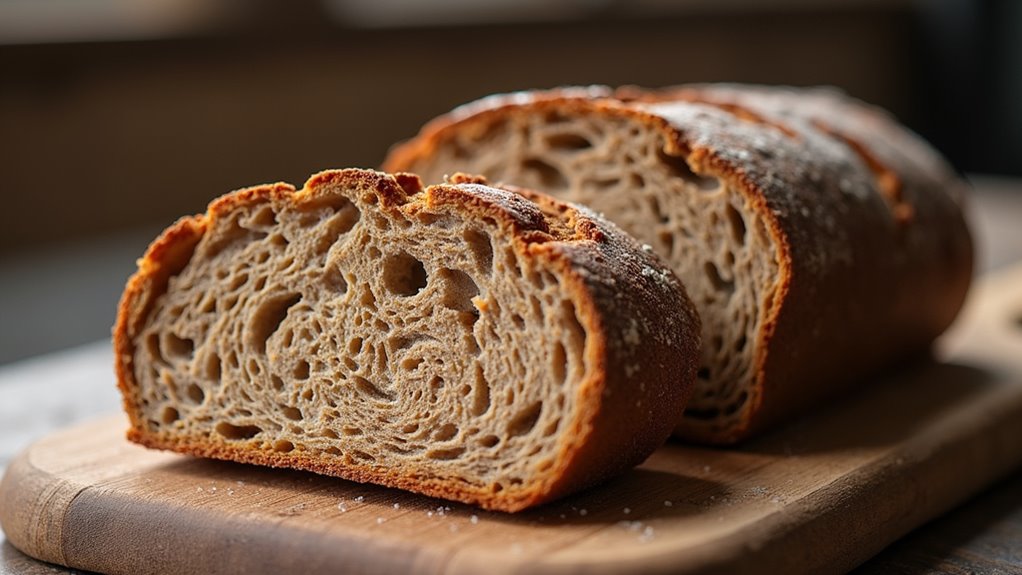
Texture plays a big role in how you experience rye bread, giving it a denser and coarser feel compared to white bread. This coarser texture comes from rye’s higher fiber content, which also influences the bread’s flavor and mouthfeel. Depending on the rye flour proportion, you might notice a chewy interior that’s uniquely satisfying.
Because rye has less gluten, the bread offers a unique chewy-yet-tender mouthfeel you won’t find in wheat breads. Its moist and tender crumb results from rye flour’s excellent moisture retention, making each bite soft yet substantial. This combination of texture and flavor creates a complex flavor release, allowing you to enjoy a richer, more fulfilling eating experience with every slice. The presence of pentosans in rye flour plays a key role in absorbing water and inhibiting gluten development, which directly impacts the bread’s texture and density.
Regional Variations in Rye Bread Flavor
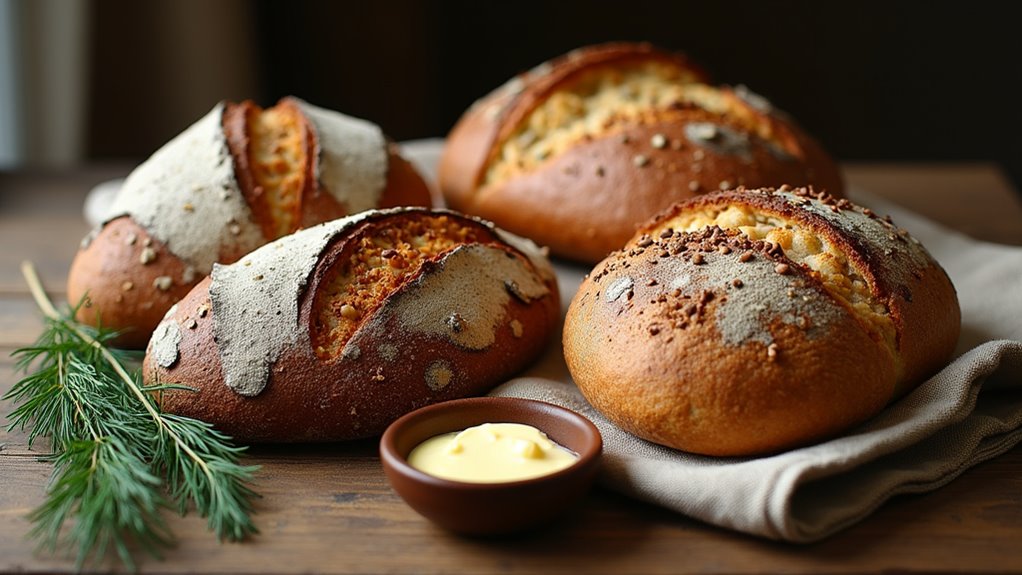
You might notice that rye bread’s flavor changes quite a bit depending on where it’s made. In Scandinavia, you’ll find lighter rye bread, often mixed with wheat flour and slightly sweetened, offering milder flavor profiles compared to darker varieties.
Germany’s pumpernickel is a prime example of dark rye bread, with deep, earthy flavors enhanced by a slow baking process. Russian black bread adds molasses for subtle sweetness that balances its dense texture and earthy notes.
Eastern European rye breads, like Polish chleb żytni, often use a sourdough starter, giving them a tangy complexity and dense crumb. These regional adaptations reflect local tastes and ingredients, resulting in rye bread that can range from mildly sweet to robustly earthy depending on where you’re tasting it.
How Baking Methods Influence Taste
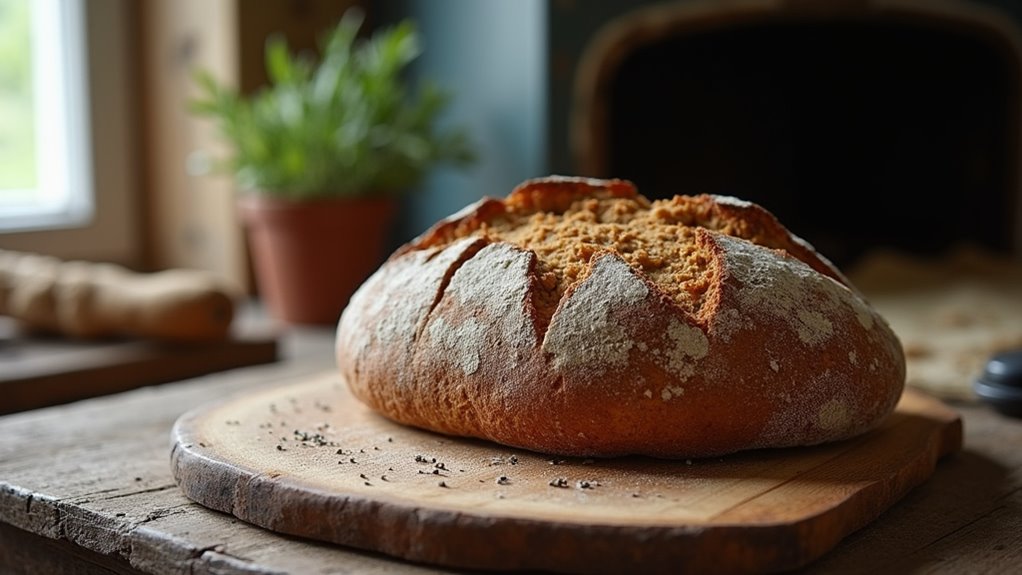
When you bake rye bread, the fermentation time plays a big role in shaping its flavor, especially the sourness. Different baking techniques can change the texture, from crust thickness to crumb density.
Plus, adding ingredients like molasses or cocoa can bring out new layers of taste that complement the rye’s earthiness.
The use of rye sourdough in baking enhances both the flavor complexity and the bread’s characteristic dense texture.
Fermentation Impact on Flavor
Although rye bread’s distinct flavor largely comes from its ingredients, the fermentation process plays a crucial role in shaping its taste. Using a sourdough starter introduces tangy flavors and enriches the flavor profile beyond what commercial yeast offers. During fermentation, organic acids develop, increasing sourness and depth.
The bread’s chewy texture, a result of low gluten content, affects how these flavors release as you eat. Additions like caraway seeds during fermentation can bring subtle anise-like notes, complementing the rye’s earthiness.
| Fermentation Aspect | Impact on Flavor |
|---|---|
| Sourdough Starter | Tangy, complex flavors |
| Organic Acids | Increased sourness, depth |
| Fermentation Time | More pronounced tangy flavors |
| Gluten Content | Chewy texture, flavor release |
| Additives (e.g., Caraway) | Enhanced aromatic notes |
Baking Techniques and Texture
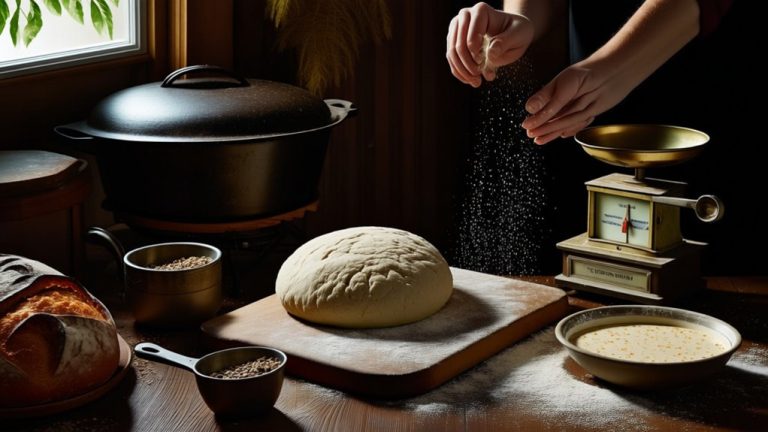
Fermentation sets the stage for rye bread’s flavor, but the baking techniques you choose bring those flavors to life. Your baking method influences how rye flour’s unique properties, especially its lower gluten content, shape the bread’s texture and flavor profile. Here’s how:
- Using steam injection creates a thinner crust, letting earthy rye notes shine.
- Longer fermentation time deepens sourness, adding complexity.
- Adjusting baking temperature and time can amplify natural sweetness.
- The rye flour percentage affects density and chewiness, offering a distinct texture.
Because rye flour produces a chewy-yet-tender crumb, every bite is a complex experience. By mastering these baking techniques, you control how the flavor profile unfolds and how the texture enhances each mouthful.
Ingredient Variations Effects
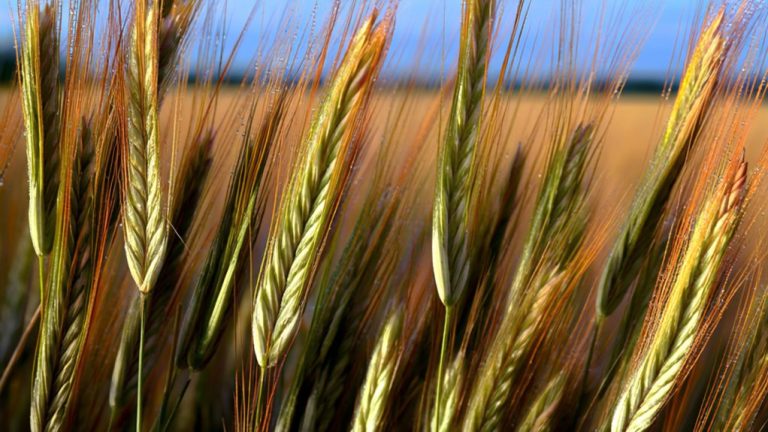
Since the ratio of rye to wheat flour plays a crucial role, you’ll notice that 100% rye bread packs a stronger, more robust flavor than blends. Ingredient variations and baking methods influence the flavor of rye, making it more complex than white bread. For example, longer fermentation adds sourness and depth, while caraway seeds and molasses introduce distinct flavor and sweet flavor notes.
Steam baking yields a thinner crust, letting the rye bread contain more pronounced natural flavors.
| Ingredient Variation | Effect on Flavor |
|---|---|
| 100% Rye Flour | Stronger, robust flavor |
| Caraway Seeds | Anise-like distinct flavor |
| Molasses | Adds subtle sweet flavor |
| Slow Baking (Pumpernickel) | Deeper, complex flavor |
These factors shape rye bread’s unique taste profile.
Pairing Rye Bread With Complementary Foods
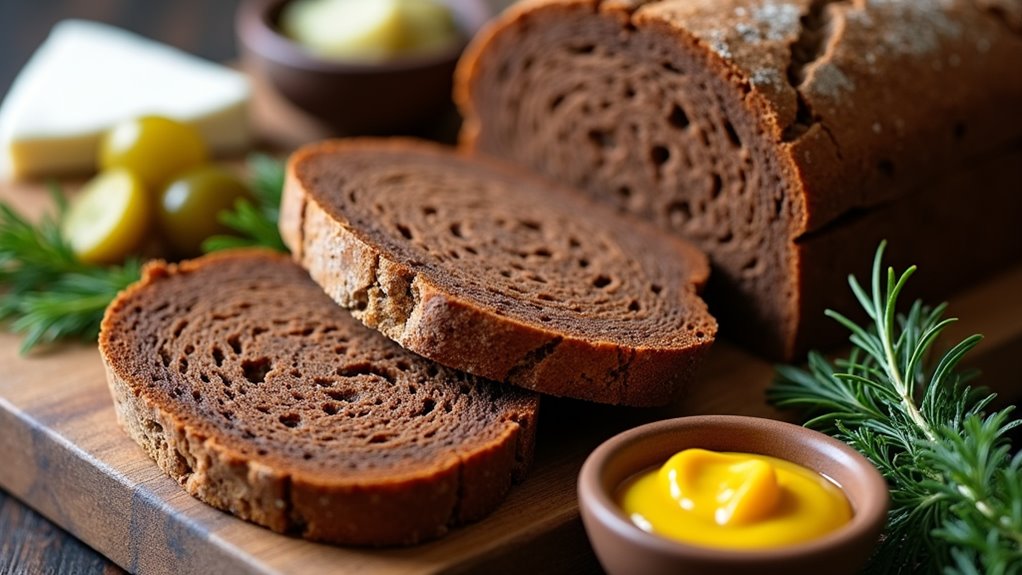
When you pair rye bread with strong-flavored foods, its earthy and slightly sour notes really come alive. This bread’s earthy flavor becomes a perfect base for complementary foods that balance and enhance its robust character. You’ll find that classic pairings like smoked salmon and cream cheese create a creamy contrast to rye bread’s dense texture.
Corned beef and pastrami also shine, making rye bread ideal for savory sandwiches. Don’t forget the iconic Reuben sandwiches, where rye bread holds up beautifully against bold sauerkraut and melted cheese.
Try these pairings to appreciate rye bread fully:
Explore these delicious pairings to experience the full flavor of rye bread.
- Smoked salmon with cream cheese
- Corned beef or pastrami
- Reuben sandwiches with sauerkraut and Swiss cheese
- Toasted rye with butter for a simple delight
Frequently Asked Questions
How Would You Describe the Taste of Rye Bread?
You’d find rye bread has a distinct earthy, slightly sour taste that’s more robust than white bread. It often carries nutty and malty tones, giving it a rich complexity. Depending on the rye type and added ingredients like caraway seeds, the flavor can be tangy or mildly sweet.
Dark rye feels denser and more intense, while lighter versions are softer and less acidic. Overall, it’s a flavorful, hearty choice.
What Is the Best Way to Eat Rye Bread?
The best way to eat rye bread is by pairing it with bold flavors that complement its hearty taste. You can enjoy it toasted with butter for a simple breakfast or use it for deli sandwiches filled with corned beef or pastrami.
Try it with smoked salmon and cream cheese or sharp cheeses and mustard for a savory twist. If you’re feeling adventurous, spread some honey or fruit preserves on it for a delightful sweet contrast.
Is Rye Bread the Healthiest?
If you’ve ever picked up rye bread thinking it’s just a fancy alternative, you’re onto something—it’s one of the healthiest options out there. You’ll get more fiber, essential nutrients like B vitamins, and a lower glycemic index compared to white or wheat bread.
Why Do People Like Rye Bread?
You like rye bread because it offers a unique, earthy flavor that’s different from typical white bread. Its dense, chewy texture feels satisfying, and you might appreciate how it pairs perfectly with bold toppings like smoked salmon or deli meats.
Plus, if you’re health-conscious, you’ll enjoy its higher fiber and lower sugar content. Many people also value the cultural variety and tradition behind different rye breads, making every bite a little adventure.
Conclusion
If you’ve ever wondered what rye bread tastes like, you’re in for a rich, slightly tangy experience that varies from light and mild to dark and robust.
Did you know that over 70% of rye bread’s flavor comes from its fermentation process? This means every bite is packed with depth and complexity.
So next time you try rye bread, notice how its unique taste and texture perfectly complement hearty and savory foods.