What Is Rye Grain
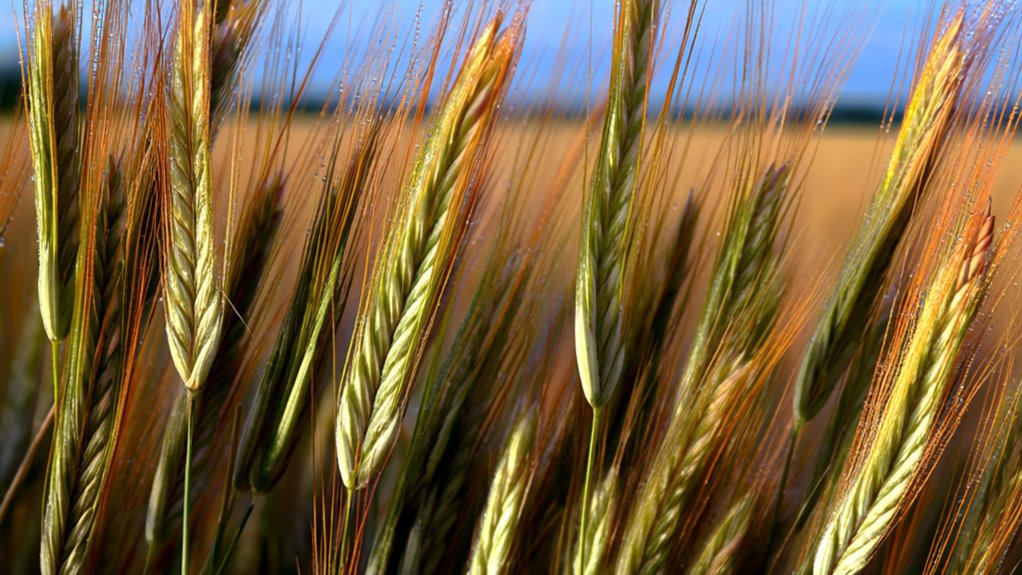
Rye grain is a hardy cereal you’ll find growing tall with blue-green leaves, thriving even in poor soils and harsh winters.
It’s valued for its dense, flavorful bread and nutritional benefits like fiber and heart-healthy nutrients, though it contains gluten you might need to avoid.
Rye also plays a big role in making distinctive whiskeys and traditional foods.
If you want to uncover its rich history, culinary uses, and unique growing challenges, there’s plenty more to explore.
Definition and Botanical Characteristics
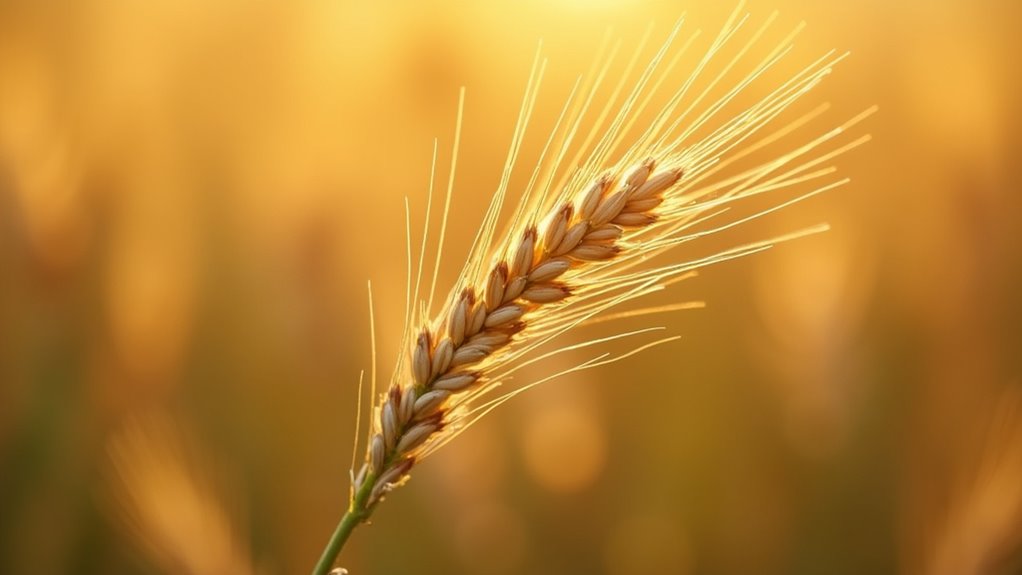
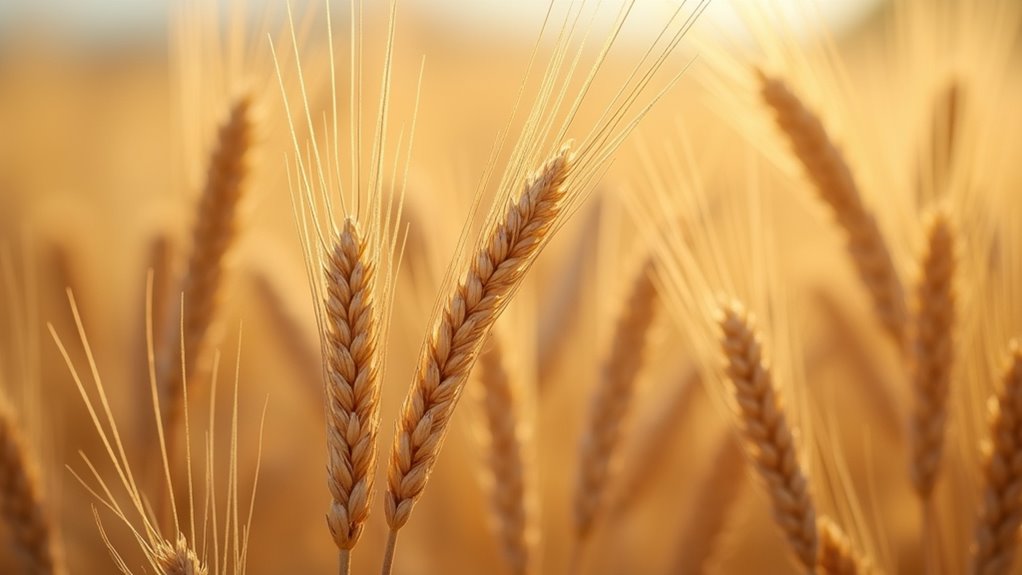
Rye grain, known scientifically as Secale cereale, is a tall grass that can grow between 1 and 3 metres high, with distinctive blue-green, pointed leaves. When you look closely, you’ll see that rye carries its seeds in curved spikes measuring 7 to 15 centimetres long. These seeds, which are larger and less round than wheat, are the edible grain part of the plant.
Rye is wind-pollinated and produces single-seeded fruits with long bristle-like awns. You’ll find rye thriving where other grains struggle, as it tolerates poor soils and harsh winters due to antifreeze proteins in its leaves. However, it’s vulnerable to pests and diseases like ergot fungus, which can be a serious risk if the grain is consumed.
Historical Background and Origin
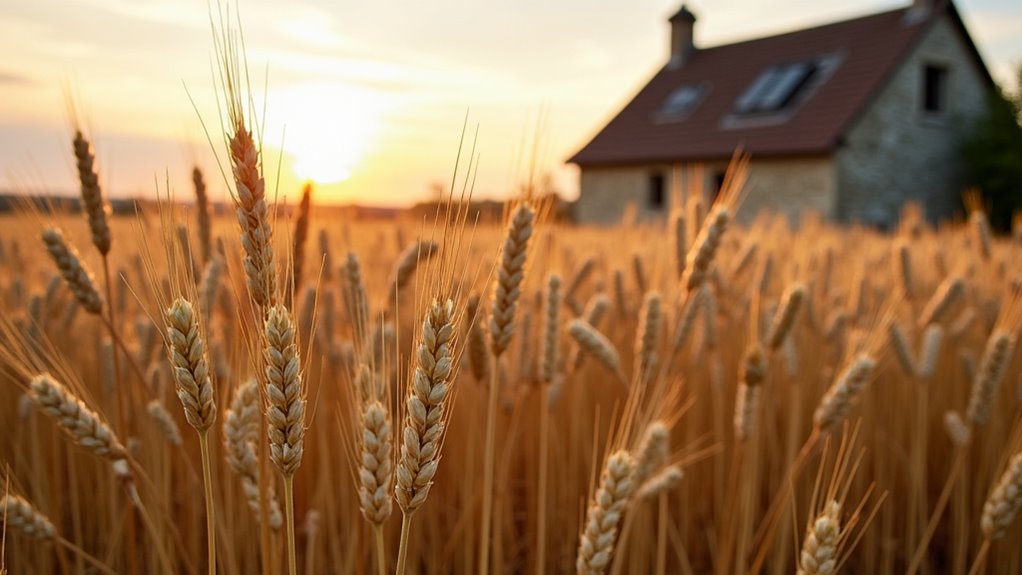
You might be surprised to learn that rye first appeared in Anatolia around 6500 BCE before spreading across Europe. While it was once seen as a last-resort food during Roman times, rye became a key crop throughout the Middle Ages.
Its ability to thrive in harsh climates helped it become a staple in northern European diets.
Ancient Rye Origins
Although you might not realize it, this grain has been part of human agriculture since around 6500 BCE in southwestern Asia. Rye is one of the ancient grains that early civilizations cultivated, valued for its resilience. Here’s what you should know about its origins:
- Rye emerged as a cultivated crop in southwestern Asia and gradually spread westward.
- Archaeological findings confirm that rye was present in Europe during the Bronze Age, highlighting its long-standing role.
- By adapting to cooler climates where other cereals struggled, rye became essential for many communities.
You can see that rye’s history is deeply rooted in human agriculture, making it an important grain with origins stretching back thousands of years. Its early cultivation laid the groundwork for its enduring significance in Europe and beyond.
Medieval European Spread
Since it thrived in poor soils and cold climates, rye quickly became an essential crop across medieval Europe. You’ll find that rye spread widely throughout Central and Eastern Europe during this period, transforming from a last-resort grain into a staple food. Its resilience made it invaluable, especially in regions where other crops struggled to survive.
Archaeological evidence shows rye’s presence dating back to the Bronze Age, highlighting its deep agricultural roots. By the Middle Ages, rye cultivation helped reduce famine in harsh winter areas like Denmark and southern Sweden. If you’re exploring medieval diets, rye’s role as a reliable staple food clearly shaped food security and farming practices across Central and Eastern Europe, ensuring sustenance when conditions were toughest.
Growing Conditions and Cultivation Methods
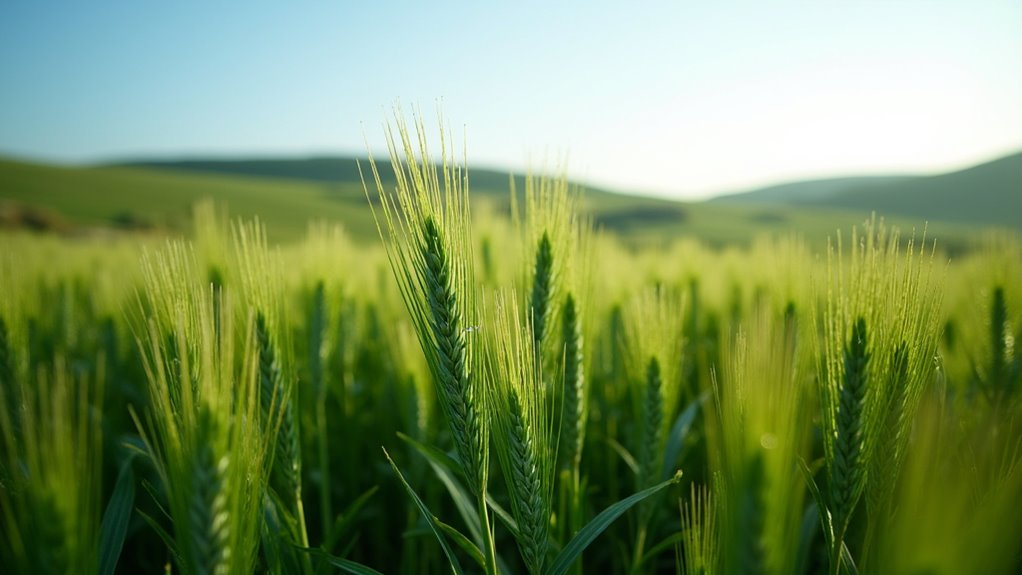
You’ll find that rye grows well in many soil types, especially poor or sandy soils, and prefers a pH between 5.0 and 7.0. Planting usually happens in autumn for winter rye, which you can harvest by August in the Northern Hemisphere.
Modern harvesting uses combine harvesters, making the process much more efficient than traditional methods.
Soil Preferences
Rye can grow in a variety of soils, from heavy clay to light sandy types, and even in infertile or drought-affected areas. This makes rye an excellent option if you’re dealing with poor soil, as it grows well where many other grains struggle. When considering soil preferences for rye, keep these points in mind:
- Rye tolerates a wide pH range from 4.5 to 8.0, with ideal growth between 5.0 and 7.0, giving you flexibility in soil conditions.
- It thrives in poor soil and can withstand drought conditions better than many other crops, making it resilient.
- Its adaptability allows it to establish well even in less-than-ideal environments, so you don’t need perfect soil to get a good yield.
Planting and Harvesting
Although it’s typically planted in autumn, winter rye establishes strong root systems that help protect soil through the colder months. This hardy grain thrives in various soil types, from heavy clay to sandy soils, and tolerates a wide pH range, enhancing soil quality as it grows. Its antifreeze polypeptides allow it to survive freezing temperatures, making it ideal for colder climates.
When it’s time for harvesting, usually by August in the Northern Hemisphere, a combine harvester efficiently collects the mature rye grain. By planting winter rye, you’re not only securing a reliable crop but also improving soil stability and preventing erosion. This makes rye an excellent choice for sustainable farming and maintaining healthy soil year-round.
Nutritional Profile and Benefits
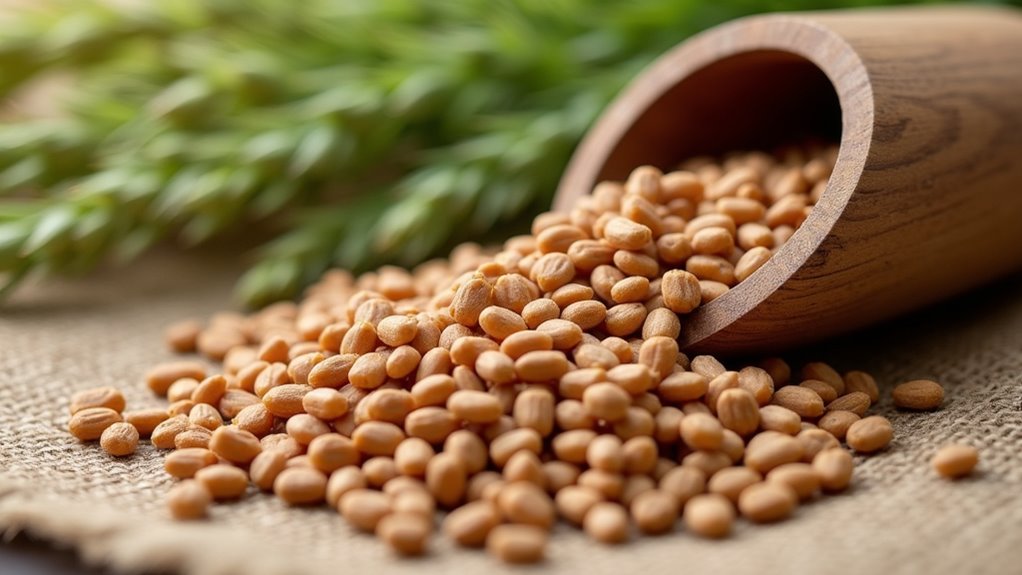
Since it’s packed with fiber, protein, and essential nutrients, incorporating rye grain into your diet can offer several health benefits. Whole-grain rye is especially rich in dietary fiber, including beta-glucan, which helps lower blood cholesterol when consumed daily.
Here are three key benefits you’ll enjoy:
- Improved heart health: Dietary fiber in rye supports better cholesterol levels and cardiovascular function.
- Enhanced blood sugar control: Whole-grain rye helps regulate blood sugar, reducing spikes after meals.
- Nutrient boost: Rye provides a good source of B vitamins like thiamine and niacin, plus minerals such as manganese, zinc, and magnesium, supporting energy metabolism and overall wellness.
Additionally, the soluble fiber in rye contributes to lower LDL cholesterol, promoting heart health.
Gluten Content and Dietary Considerations
Rye contains a type of gluten that can cause issues if you have Celiac disease or gluten sensitivity. Its gluten structure differs from wheat, making rye bread denser and less elastic.
If you’re managing gluten-related health concerns, it’s important to understand how rye fits into your diet. Rye contains gluten proteins called secalins that can trigger immune responses similar to wheat gluten.
Rye Gluten Composition
Gluten plays an essential role in the texture and structure of many baked goods, but its composition in rye differs markedly from that in wheat. When you use rye flour, keep in mind:
- Rye gluten contains high levels of water-insoluble gliadin, which is problematic if you have Celiac disease or gluten sensitivity.
- It has less glutenin than wheat, so rye dough is less elastic, producing denser bread.
- This unique gluten makeup means rye bread has a distinct flavor and texture, often denser and less fluffy than wheat bread.
If you’re sensitive to gluten or have Celiac disease, rye flour is best avoided. Even if you have a wheat allergy, be cautious, as rye’s gluten can still trigger reactions.
Gluten-Related Health Issues
Understanding the gluten makeup in rye helps explain why it can cause health issues for some people. Rye contains gluten, mainly water-insoluble gliadin, which can trigger adverse reactions in those with celiac disease or non-celiac gluten sensitivity. If you have gluten intolerance, consuming rye might lead to gastrointestinal discomfort or other gluten-related health issues.
Unlike wheat, rye’s gluten has less elasticity, but that doesn’t make it safer for you if you’re sensitive. Even if you tolerate wheat allergies, rye can still cause problems, so you should be cautious. To avoid adverse effects, it’s best to steer clear of rye and other gluten-containing grains if you have gluten intolerance or related disorders, ensuring your diet supports your health and well-being.
Common Culinary Applications
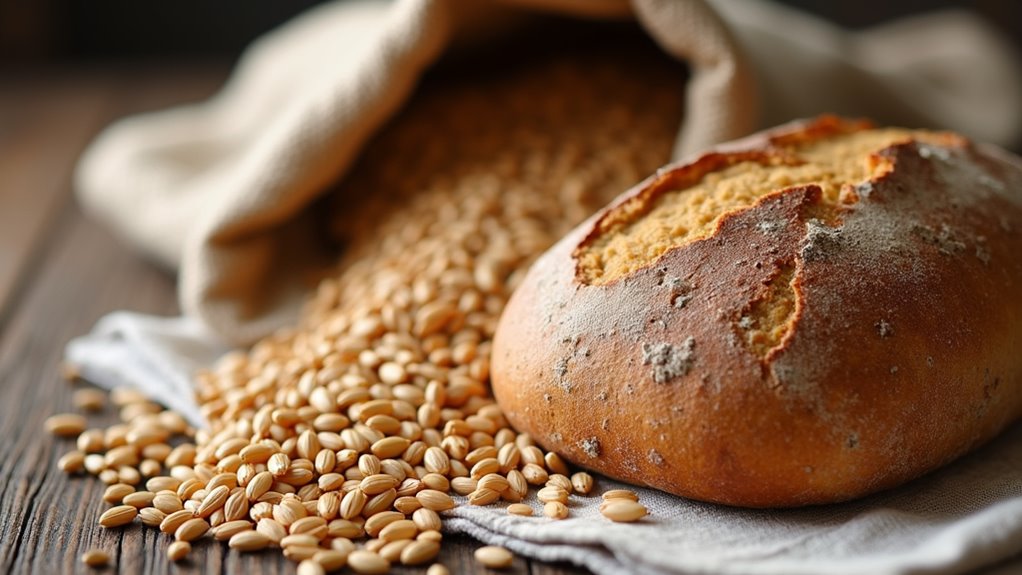
Although it might not be as common as wheat, you’ll find rye grain playing a key role in various culinary traditions. It’s especially prized for its distinctive flavor and versatility in baked goods.
Here’s how you can enjoy rye grain:
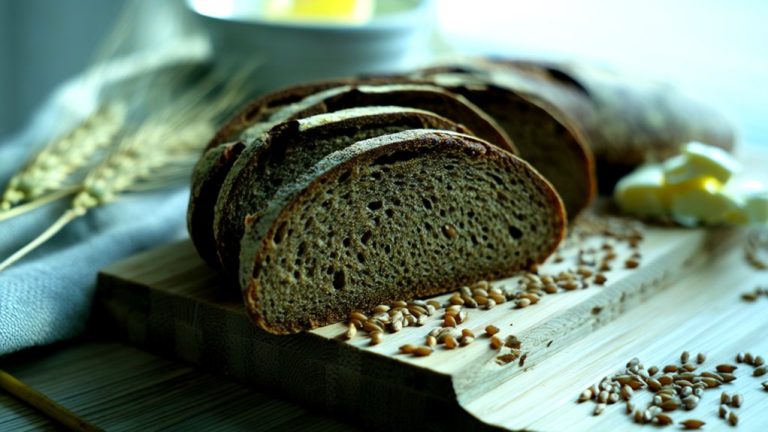
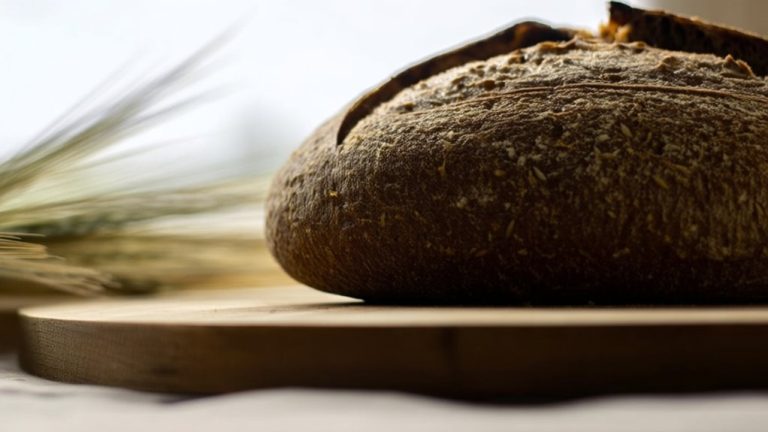
- Rye bread: Made from rye flour, this bread is denser and more flavorful than typical wheat bread, with varieties like pumpernickel popular in Eastern Europe.
- Whole rye berries: Cooked like rice or quinoa, they offer a nutty taste and chewy texture, perfect for hearty grain dishes.
- Cracked rye: Used in breakfast cereals, soups, and salads, it cooks faster than whole rye, adding nutrition and texture.
You’ll find rye enhancing both traditional recipes and modern meals with its unique character. Rye bread is also known for its high dietary fiber content, which supports digestive health and helps stabilize blood sugar levels.
Rye in Alcohol Production
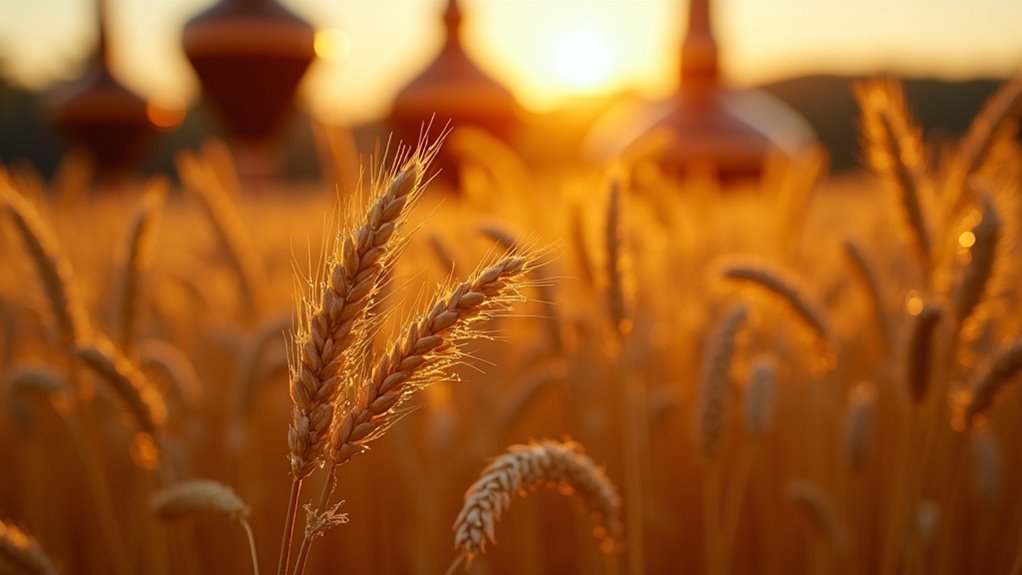
When you sip rye whiskey or rye beer, you’re tasting a grain that brings a spicy, robust character unlike most others. Rye whiskey, which must contain at least 51% rye in the U.S., is known for its bold flavor, often featuring hints of black pepper, anise, and the familiar taste of rye bread.
This grain also plays an essential role in rye beer, where rye malt adds a distinct texture and complexity to the brew. Beyond these, rye’s versatility extends to traditional beverages like kvass, made from rye bread or flour, showcasing its diverse use in alcohol production.
Whether in whiskey or beer, rye grain delivers a unique depth and warmth that sets these drinks apart from those made with other grains.
Varieties and Forms of Rye Grain
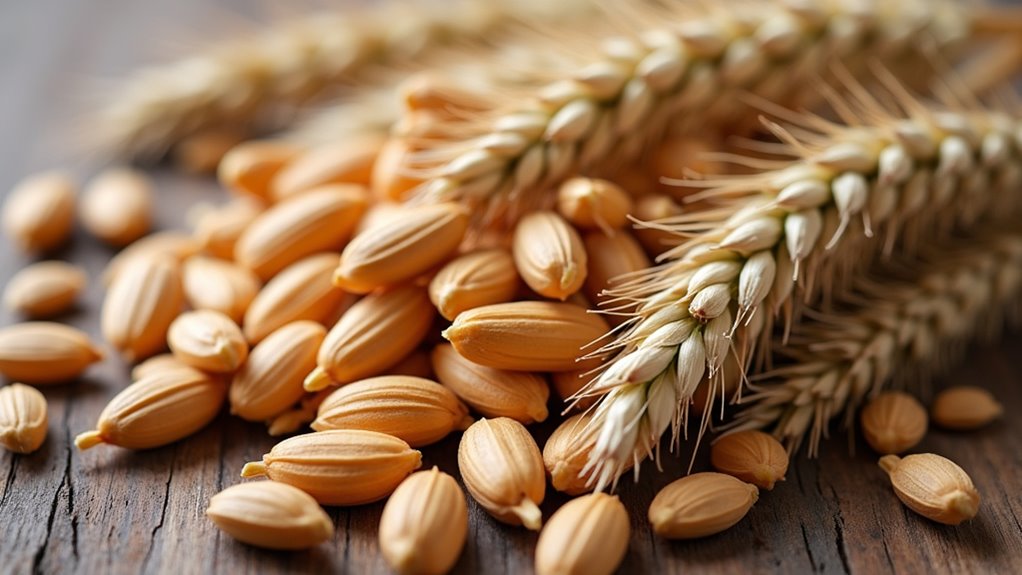
Rye’s impact in alcohol gives you just a glimpse of its versatility. When it comes to varieties and forms of rye grain, you’ll find several options to suit your culinary needs:
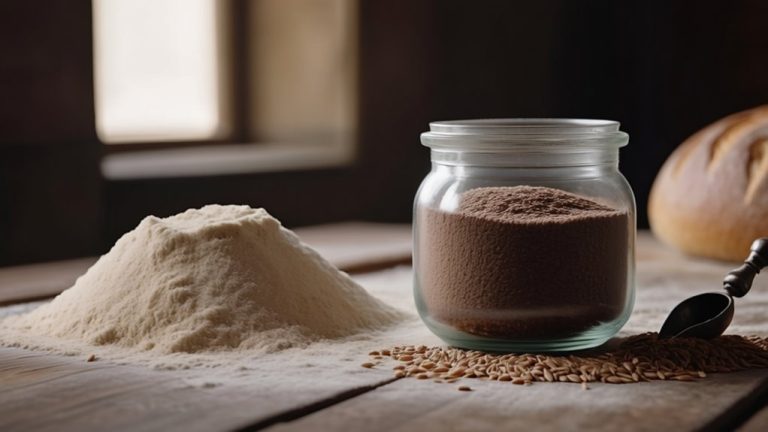
- Rye berries are the whole kernels with the inedible hull removed, perfect for cooking or grinding into rye flour.
- Cracked rye, or rye chops, are smaller pieces of rye berries that cook faster and offer a unique texture.
- Rye flour varies from white and cream to medium and dark rye, with dark rye containing more bran and often used in hearty breads.
Understanding these forms helps you choose the right rye grain, whether you’re baking with dark rye or cooking whole rye berries for a wholesome meal.
Agricultural Challenges and Pest Management
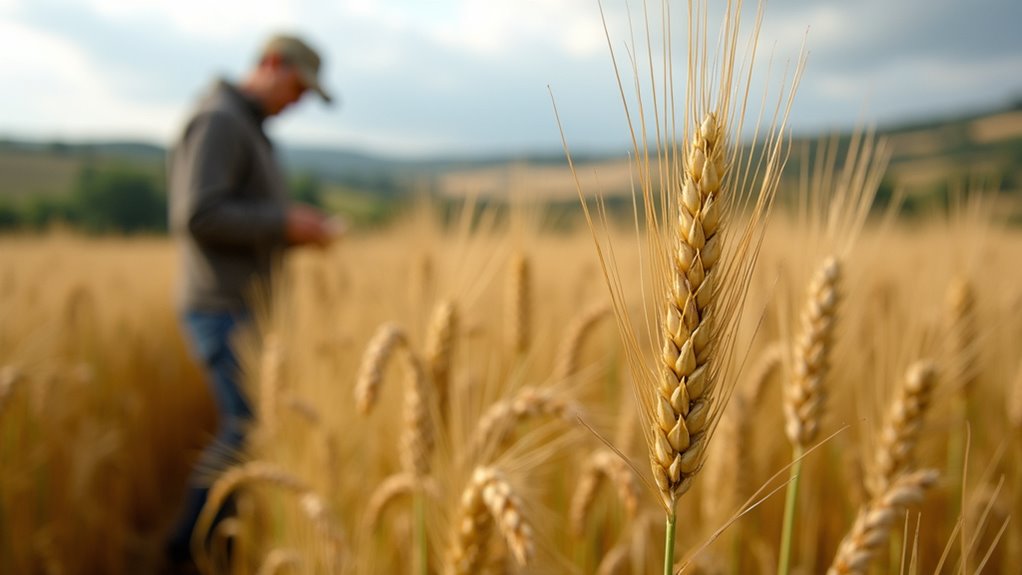
Since rye is prone to pests like nematodes and herbivorous insects, managing these threats is vital for protecting your crop’s yield and quality. You’ll also need to watch out for ergot fungus, a serious concern since contaminated rye can cause ergotism in humans and animals.
Effective pest management involves using resistant rye varieties and practicing crop rotation to reduce pest populations and disease risks. Integrated pest management is your best approach, combining cultural controls, biological methods, and careful monitoring to keep your rye healthy.
Cultural Significance and Traditions
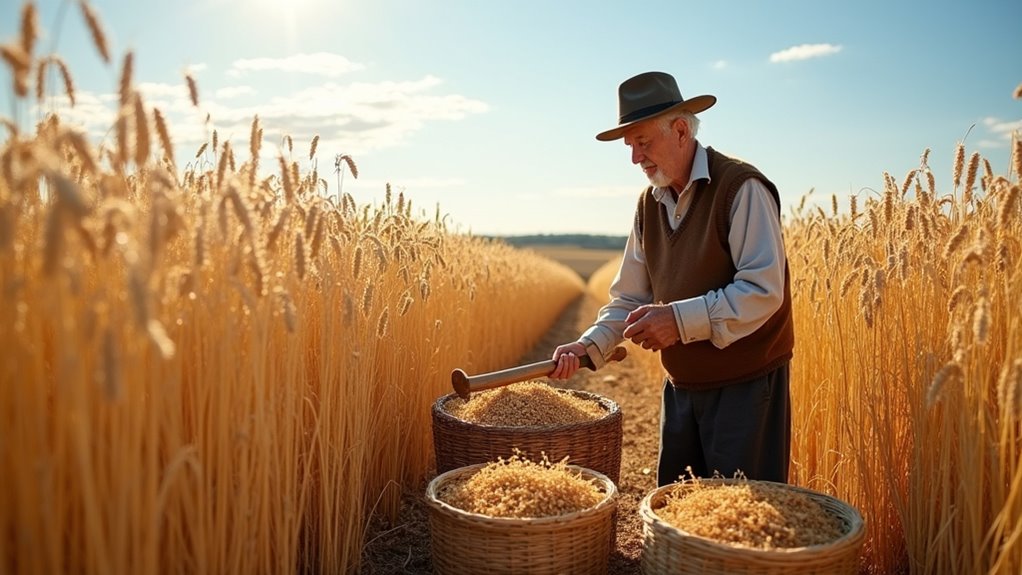
Although you might not always notice it, rye has played a vital role in shaping the traditions and cuisines of many cultures, especially in Eastern and Northern Europe. This hardy grain thrived during the Middle Ages, helping prevent famine where other crops failed.
You’ll find its legacy in:
1. Traditional foods like Germany’s dense pumpernickel bread and Scandinavian rye crispbread, staples that reflect local heritage. 2. Folklore featuring rye spirits such as Roggenwolf, symbolizing the grain’s deep connection to agrarian life. 3. Celebrations and rituals marking rye harvests, honoring the grain’s importance to community survival.
Rye’s cultural significance extends beyond food, highlighting its role in social customs and historical resilience.
Frequently Asked Questions
What Kind of Grain Is Rye?
Rye is a cereal grain closely related to wheat and barley, so you’d classify it in the same family, Poaceae. If you’re wondering about its kind, it’s a hardy grain that grows well in poor soils and colder climates.
When you bake or drink whiskey made from rye, you get a unique, earthy flavor, thanks to its gluten content and distinct properties that set it apart from wheat.
What Is Another Name for Rye Grain?
You might hear rye grain elegantly called “rye berries,” a term that captures its whole, unprocessed form. If you’re looking into more scientific or culinary circles, it’s sometimes referred to as “Secale cereale” or simply “rye.”
When cracked into smaller pieces, folks might say “cracked rye” or “rye chops.” And if it’s ground for baking, “pumpernickel” is a name you’ll come across, especially for rich, dark rye bread.
Is Rye Grain Healthy?
Yes, rye grain is healthy for you. It’s packed with dietary fiber, which supports digestion and helps you feel full longer. You’ll also get essential B vitamins and plenty of manganese, important for metabolism and bone health.
Plus, rye’s beta-glucan can help lower cholesterol, benefiting your heart. Just keep in mind it contains gluten, so it’s not suitable if you have celiac disease or gluten sensitivity.
What Is the Difference Between Rye and Wheat?
Imagine a knight choosing his armor: rye and wheat differ like that. You’ll find rye has more gliadin and less glutenin, making bread denser and darker, like pumpernickel, while wheat’s stronger gluten gives lighter, fluffier loaves.
Rye thrives in cold, poor soils; wheat prefers warmth and fertility. Nutritionally, rye packs more fiber, especially beta-glucan, which helps lower cholesterol. So, your choice affects flavor, texture, and health benefits.
Conclusion
Now that you know rye grain’s rich history and uses, here’s a fun fact: over 90% of the world’s rye is grown in just a few countries like Russia and Poland. That means when you enjoy rye bread or whiskey, you’re tasting a crop that’s deeply tied to specific regions.
Whether you’re exploring its health benefits or its role in traditional foods, rye is a grain that’s as fascinating as it is versatile.