
Is Rye Bread Good for Diabetics?
Yes, rye bread can be a smart choice for managing diabetes because it has a lower glycemic index than white bread, meaning it raises your blood sugar more slowly.
It’s also high in fiber, which helps stabilize glucose levels and supports insulin sensitivity.
Opt for whole grain or pumpernickel rye varieties with minimal added sugars for the best benefits.
If you want to explore which types work best and how to include them in your meals, there’s more useful info to discover.
Understanding Diabetes and Blood Sugar Management
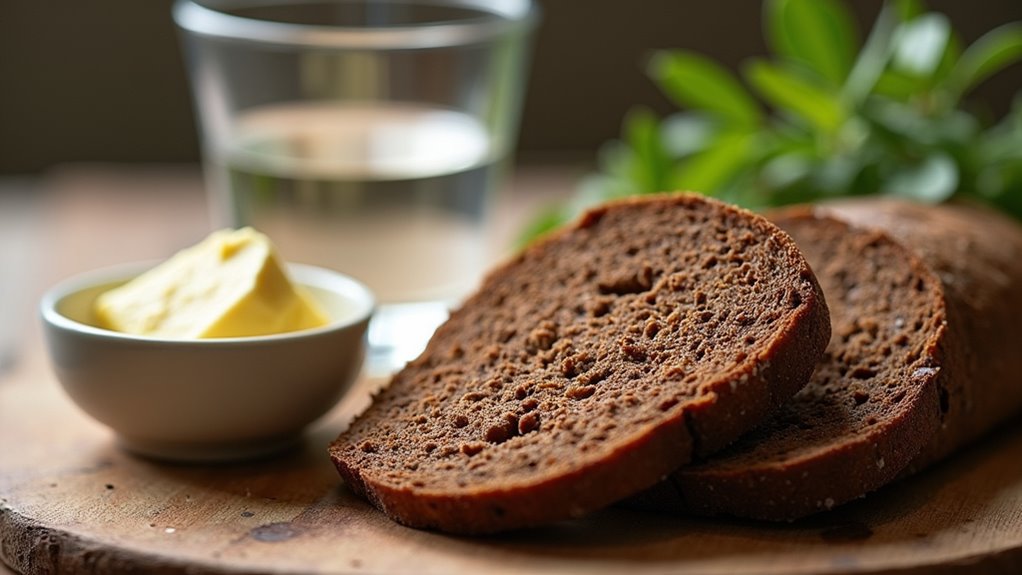
Although managing diabetes can feel overwhelming, understanding how blood sugar works is key to keeping it under control. In diabetes, your body struggles with insulin, a hormone that regulates blood glucose. Without effective insulin action, blood sugar levels can rise dangerously.
One of the most important aspects of diabetes management is watching your carbohydrate intake, since carbs directly impact blood glucose. Choosing whole grain options rich in fiber helps slow digestion, leading to more gradual blood sugar increases. This steady rise is easier for your body to manage compared to the rapid spikes caused by simple carbs.
Paying attention to the glycemic index of foods can guide you to better choices, but more on that later. By combining a diet rich in fiber and whole grains with proper insulin or medication use, you can maintain more stable blood sugar levels and reduce diabetes complications.
Understanding these basics empowers you to take control of your health effectively.
What Is Glycemic Index and Why It Matters

How quickly a food raises your blood sugar can make a big difference in managing diabetes. The glycemic index (GI) measures how fast carbohydrate-containing foods affect your blood sugar on a scale from 0 to 100. Foods with a high GI (70 and above) cause a rapid spike in blood sugar, while low GI foods (55 and below) result in a slower, steadier glycemic response.
Rye bread usually falls into the moderate-GI category, with a GI between 56 and 69. This moderate-GI rating means rye bread causes a more gradual increase in blood sugar compared to high-GI foods. Factors like high fiber content and slow digestion help lower the GI, making rye bread a better option for preventing sharp blood sugar spikes.
Understanding glycemic index can help you choose carbohydrates that support more stable blood sugar levels, which is key for effective diabetes management.
Nutritional Profile of Rye Bread
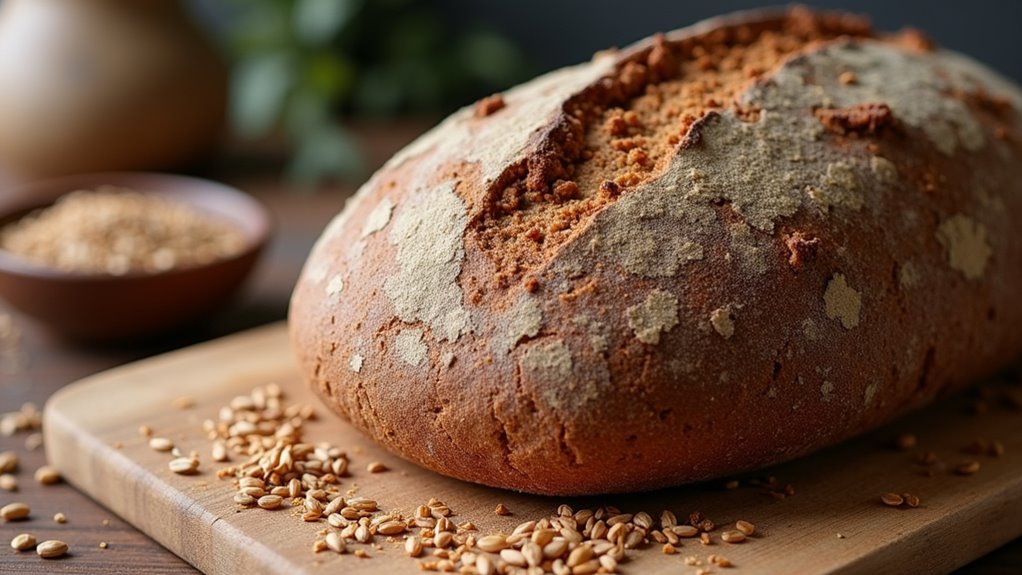
What makes rye bread a smart choice for diabetics? It all starts with rye flour, which contains more fiber and essential nutrients than wheat flour. Each slice delivers about 1.9 grams of fiber and key nutrients like B vitamins, iron, magnesium, and selenium, supporting your overall metabolic health. The fiber content in rye bread slows digestion and carbohydrate absorption, which helps temper your blood sugar spikes.
Rye bread typically has a lower glycemic index compared to white bread, especially when you choose darker or whole-grain varieties. This means the carbohydrates in rye bread are released more gradually into your bloodstream. By moderating carbohydrate digestion, rye bread helps maintain steadier blood sugar levels. So, understanding the nutritional profile of rye bread highlights why it can be a beneficial option when managing your diet as a diabetic.
Benefits of Rye Bread for Blood Sugar Control

If you’re managing diabetes, choosing rye bread can be a smart move because of its high fiber content, which helps slow down carbohydrate absorption. Its moderate glycemic index means it won’t cause rapid blood sugar spikes like some other breads.
Plus, the nutrients in rye support your overall metabolic health, making it a strong option for blood sugar control.
Fiber Content Advantages
Because rye bread contains about 1.9 grams of fiber per slice, it can help slow digestion and keep your blood sugar levels more stable. The fiber, especially soluble fiber, forms a gel-like substance in your gut that delays carbohydrate absorption, leading to a gradual rise in blood glucose.
Since rye is a whole grain, its fiber content supports better glycemic control and improves insulin sensitivity, which is essential for diabetic health. Including rye bread in your diet can reduce blood sugar spikes and enhance overall glycemic management.
This fiber advantage also contributes to a lower glycemic index compared to other breads, making rye a smart choice if you’re aiming to maintain balanced blood sugar levels and support heart health alongside diabetes care.
Low Glycemic Impact
Since rye bread typically has a moderate glycemic index between 56 and 69, it causes a slower rise in your blood sugar compared to white bread. This low GI characteristic means rye bread has a gentler glycemic impact, helping you avoid sharp blood glucose spikes after meals.
Thanks to its high soluble fiber content, rye bread slows carbohydrate digestion, which further stabilizes blood sugar levels. This effect not only supports better diabetic management but also improves insulin sensitivity, making it easier for your body to regulate blood sugar.
Additionally, some rye breads undergo fermentation, enhancing nutrient absorption and lowering their glycemic impact even more. By choosing rye bread, you’re opting for a food that promotes steadier blood sugar control and supports overall diabetes care.
Nutrient Support Benefits
While managing diabetes, you’ll find rye bread offers more than just a moderate glycemic index; its rich nutrient content plays an essential role in supporting blood sugar control. Rye bread is packed with soluble fiber, which slows carbohydrate absorption, helping to prevent sharp blood glucose spikes after meals.
This fiber also promotes insulin sensitivity, making it easier for your body to regulate blood sugar efficiently. Beyond fiber, rye’s nutrients like B vitamins, magnesium, and iron contribute to overall metabolic health, which is vital for blood sugar management.
The combination of moderate glycemic index and high fiber content means you experience steadier blood glucose levels and increased satiety, reducing the risk of overeating. Including rye bread in your diet supports balanced blood sugar and long-term metabolic well-being.
Different Types of Rye Bread and Their Impact on Health
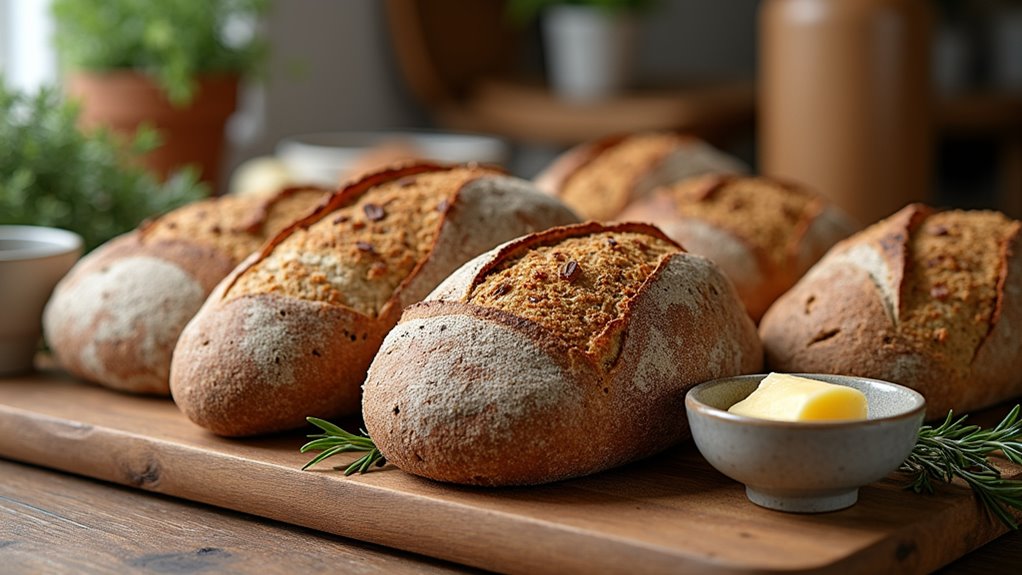
Not all rye breads are created equal when it comes to fiber content and blood sugar effects. You’ll find that darker, whole-grain varieties like pumpernickel usually have more fiber and a lower glycemic impact than lighter rye breads.
Understanding these differences can help you choose the best option for managing your blood sugar.
Rye Bread Varieties
Although rye bread comes in various forms, the type you choose can greatly affect your blood sugar levels. Dark rye bread, like pumpernickel or whole rye, usually has a lower glycemic index and higher fiber content, making it a smarter choice for diabetics.
On the other hand, light rye bread is made from refined rye flour, which raises blood sugar more quickly due to its higher glycemic index and lower fiber. Some commercial rye breads mix rye and wheat flours, which can alter how your body responds to them.
Whole rye breads retain more nutrients and phytochemicals, offering better health benefits. Additionally, sourdough rye breads may improve digestibility and reduce glycemic impact, helping you manage blood sugar more effectively. Choosing the right rye bread is key for blood sugar control.
Fiber Content Differences
How does the fiber content in different rye breads affect your health? Rye breads made from whole grain rye, like pumpernickel, have a high fiber content, up to 5 grams of dietary fiber per slice. This increased fiber helps lower the glycemic index, which supports better blood sugar control and stabilizes blood sugar levels.
On the other hand, light rye bread, typically made with refined rye flour, contains only about 1-2 grams of fiber per slice, offering fewer benefits for managing blood sugar. Choosing whole grain rye bread not only aids digestion but also promotes satiety, helping you maintain a healthy weight.
Glycemic Impact Comparison
Why does the type of rye bread you choose matter for your blood sugar? Different rye breads vary in their glycemic index, which directly affects diabetes management. Here’s what you should know:
- Dark rye and pumpernickel have a low glycemic index (~50-55), ideal for steady blood sugar.
- Whole grain rye bread’s fiber content slows carb absorption, preventing spikes.
- Commercial blends with refined wheat raise the glycemic index (~60-69), lessening benefits.
- Fermentation in sourdough rye further lowers glycemic response by enhancing nutrient uptake.
Choosing minimally processed, whole-grain, and fermented rye bread helps keep your blood sugar balanced, making them better options compared to lighter or refined rye breads. This careful choice supports better diabetes control.
How to Select the Best Rye Bread for Diabetes
When choosing rye bread for diabetes, you’ll want to focus on options that offer a low glycemic index and high fiber content to help manage blood sugar levels effectively. Opt for whole grain or dark rye varieties like pumpernickel, which have a glycemic index between 56-69 and retain more nutrients and fiber.
These breads slow carbohydrate absorption, aiding blood sugar control. Always read labels closely to avoid refined wheat or white rye flour, which can cause rapid glucose spikes. Look for rye bread containing at least 2.5 grams of fiber per slice, as this fiber content is key for stabilizing blood sugar.
Also, steer clear of breads with added sweeteners, dried fruits, or minimal added sugars that can undermine your efforts. Choosing the right rye bread means prioritizing nutrient retention and fiber over appearance or taste alone, ensuring you get the best benefits for diabetes management.
Incorporating Rye Bread Into a Balanced Diabetic Diet
Although managing diabetes often requires careful meal planning, incorporating rye bread into your diet can be a smart choice thanks to its moderate glycemic index and high fiber content. To include rye bread effectively in a balanced diet, focus on these key points:
- Choose whole rye or traditional pumpernickel rye bread to maximize fiber intake and minimize blood sugar spikes.
- Practice portion control by eating moderate servings to keep blood glucose levels stable.
- Pair rye bread with proteins and non-starchy vegetables to slow carb absorption and enhance satiety.
- Read labels to avoid highly processed rye breads with added sugars or refined flours.
Comparison of Rye Bread With Other Common Breads
Since managing blood sugar is essential for diabetics, choosing the right type of bread can make a big difference. Rye bread generally has a lower glycemic index (56-69) compared to white bread, which often exceeds 70. This means rye bread causes slower carbohydrate absorption, helping with better blood sugar control.
Unlike white bread made from refined flour, rye bread contains more soluble fiber and nutrients. This higher fiber content, especially in whole grain and pumpernickel rye varieties, contributes to a more gradual rise in blood sugar. Additionally, rye breads often have a lower glycemic load, further supporting stable glucose levels.
On the other hand, commercial white bread is known to cause quicker spikes in blood sugar, making it less ideal for diabetics. Multigrain and dark rye breads also provide beneficial fiber content that promotes more consistent blood sugar responses.
Tips for Baking and Preparing Rye Bread at Home
Rye bread’s benefits for blood sugar control make it worth trying to bake at home. Start by using whole rye flour to maximize fiber content and health benefits. Adjust water gradually to achieve a smooth, elastic dough consistency essential for good texture.
Incorporate fermentation with a sourdough starter to lower the glycemic index and enhance nutrient availability. Let the dough proof until it doubles in size, usually 1 to 2 hours, ensuring better flavor and crumb structure.
Follow these baking tips:
- Use whole grains for higher fiber content and improved blood sugar response.
- Ferment dough with sourdough starter to reduce glycemic index.
- Proof dough properly to develop flavor and texture.
- Bake at 375°F (190°C) for 30-40 minutes until the crust is dark and hollow-sounding.
For storage methods, keep your rye bread in a cool, airtight container or freeze slices to maintain freshness and prevent mold.
Frequently Asked Questions
Can I Eat Rye Bread With Diabetes?
Yes, you can eat rye bread if you have diabetes, but you’ll want to choose whole grain or dark rye varieties with minimal added sugars. Rye bread’s soluble fiber helps slow down carbohydrate absorption, which can aid blood sugar control.
Just be sure to eat it in moderation and pair it with protein or healthy fats to reduce its glycemic impact. Monitoring your blood sugar response is always a smart idea.
Which Bread Is Better for Diabetics, Sourdough or Rye?
Choosing between sourdough and rye bread for diabetes is like picking the right tool from a toolbox; it depends on your needs. Sourdough often edges out rye due to its lower glycemic index and probiotic benefits, which help control blood sugar spikes better.
However, rye, especially whole grain, packs fiber that also stabilizes glucose. You might want to test both and see which keeps your blood sugar steady and suits your taste buds best.
How Many Slices of Bread Can a Diabetic Eat per Day?
You can typically eat about 1 to 2 slices of bread per meal if you have diabetes, but it depends on your total carbohydrate allowance for the day. Most guidelines suggest keeping bread intake to around 6 to 8 slices daily, but you should monitor how your blood sugar reacts.
Pairing bread with protein or fiber helps control spikes. It’s best to work with your healthcare provider to find what suits you best.
Is Rye Bread Healthier Than Sourdough?
Yes, rye bread is generally healthier than sourdough if you’re focusing on blood sugar control. It usually has more fiber and a lower glycemic index, which helps manage glucose levels better.
However, not all sourdough breads are the same. Some fermentation processes can lower their glycemic impact. Still, if you want a safer bet for steady blood sugar, whole grain rye bread is often the better choice.
Conclusion
When managing diabetes, choosing the right bread can feel like steering a maze, but rye bread is a trusty compass. Its lower glycemic index and rich fiber content help steady your blood sugar, making it a smart choice on your journey to better health.
Just remember to pick whole-grain varieties and enjoy them in balance. With rye bread by your side, you’re not just eating—you’re fueling your body with care and wisdom.