
Why Is Rye Bread a Healthy Choice?
You’ll find rye bread a healthy choice because it’s packed with fiber, vitamins, and minerals that support digestion, heart health, and steady blood sugar levels. The soluble fiber in rye helps lower cholesterol and keeps you feeling full longer, aiding weight management.
Plus, it’s easier to digest than wheat for many people.
If you want to understand how rye bread works to benefit your body and why it stands out from other breads, there’s more to explore.
Nutritional Composition of Rye Bread

Although rye bread comes in several varieties, its nutritional composition consistently offers benefits you might not get from other breads. When you choose rye bread, especially those made from whole grains, you’re getting a good dose of dietary fiber, particularly soluble fiber, which helps improve digestion and regulate blood sugar. This type of fiber is often higher in rye bread compared to traditional wheat breads.
Beyond fiber, rye bread provides essential micronutrients like selenium, manganese, thiamine, and iron, all important for your body’s various functions. Rye also contains B vitamins such as riboflavin, niacin, and folate, which support energy metabolism and overall health. The nutritional value varies depending on the rye bread type you pick, but generally, whole grain rye breads offer the most extensive benefits.
Rye Bread and Heart Health

When you eat rye bread regularly, its soluble fiber helps lower your LDL cholesterol, which is great for your heart. This fiber also supports healthy blood pressure and overall cardiovascular function.
Including rye bread in your diet can be a simple way to boost your heart health.
Cholesterol Reduction Benefits
How exactly does rye bread help keep your heart healthy? It’s all about the fiber. Rye bread is packed with soluble fiber, which plays a vital role in lowering your total and LDL cholesterol, the “bad” cholesterol linked to heart disease.
This fiber binds to cholesterol in your digestive system, preventing it from entering your bloodstream. Over time, choosing rye bread over refined wheat can markedly improve your cholesterol levels, reducing your risk of cardiovascular problems.
Plus, rye contains antioxidants and phytochemicals that help reduce inflammation, offering extra protection for your heart. So, by regularly including rye bread in your diet, you’re actively supporting your heart’s health by managing cholesterol and promoting a healthier cardiovascular system.
Fiber’s Cardiovascular Role
Beyond just lowering cholesterol, the fiber in rye bread plays a significant role in supporting your heart’s overall health. The soluble fiber forms a gel-like substance in your digestive tract, reducing cholesterol absorption and promoting healthier arteries. This process helps lower LDL cholesterol, a major contributor to heart disease.
Plus, rye’s fiber helps reduce inflammation and can improve blood pressure, vital for cardiovascular wellness.
| Benefit | Effect on Heart Health | Mechanism |
|---|---|---|
| Lowers LDL Cholesterol | Reduces plaque buildup | Fiber binds cholesterol |
| Reduces Inflammation | Prevents artery damage | Anti-inflammatory fiber |
| Improves Blood Pressure | Supports arterial function | Enhanced vascular health |
Including rye bread regularly supports fiber intake, boosting your heart health by tackling cholesterol and inflammation.
Impact of Rye on Blood Sugar Regulation
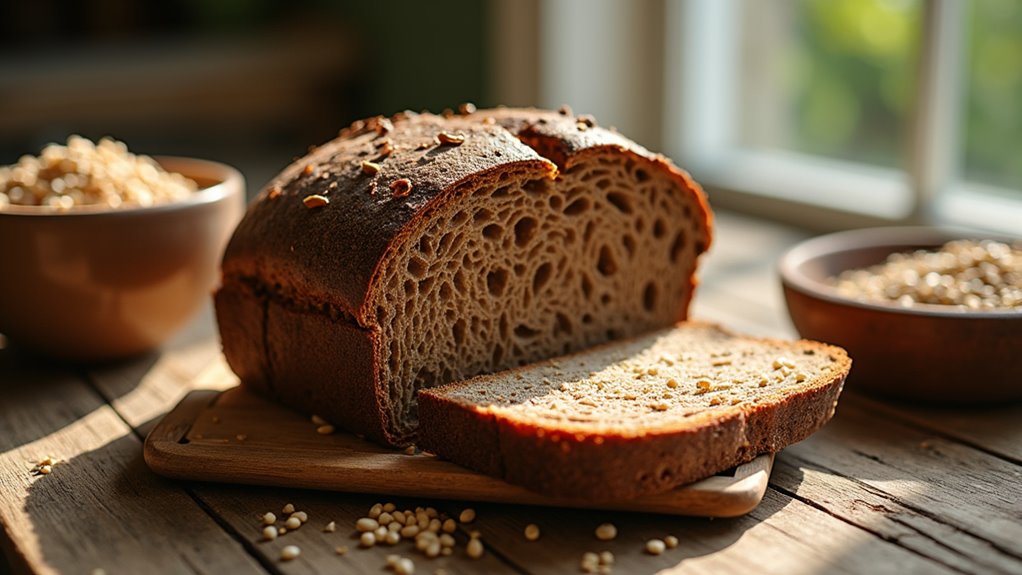
Why does rye bread have a reputation for keeping blood sugar levels steady? It’s mainly because rye bread has a low glycemic index, meaning it causes a slower, more gradual rise in your blood sugar after eating. This slow increase helps prevent those sharp spikes that can be harmful over time.
One key factor is the soluble fiber in rye, which delays carbohydrate digestion. This delay allows your blood glucose and insulin responses to stay more balanced, reducing sudden jumps. Compared to white or wheat bread, rye bread helps you avoid post-meal blood sugar surges, which is especially beneficial if you’re managing diabetes or insulin resistance.
Studies back this up, showing rye triggers a lower insulin response, supporting better metabolic health. By choosing rye bread, you’re giving your body a steady energy release, which helps maintain overall blood sugar control and keeps you feeling more stable throughout the day.
Role of Rye Bread in Digestive Health
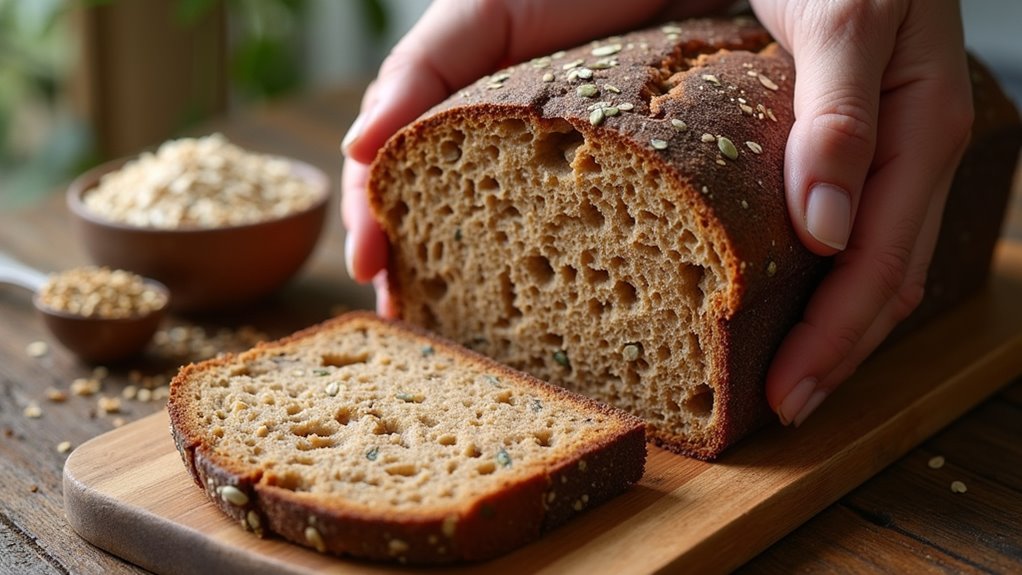
Where can you find a natural ally for your digestive system? Rye bread is an excellent choice, packed with both soluble and insoluble fiber that supports regular bowel movements and helps prevent constipation. This fiber isn’t just about keeping things moving; it also plays a key role in boosting your digestive health by increasing the production of short-chain fatty acids like butyrate, which nourishes your gut lining.
Additionally, rye contains prebiotic fibers that feed beneficial gut bacteria, enhancing their growth and activity. These healthy bacteria are vital for maintaining a balanced digestive environment and reducing discomforts like bloating and cramps.
When you choose sourdough rye bread, the fermentation process further breaks down gluten and phytic acid, making it easier for your body to digest. Incorporating rye bread into your diet is a simple way to support your digestive system naturally, thanks to its fiber-rich profile and positive effects on gut bacteria.
Rye Bread’s Effect on Satiety and Weight Management

When you eat rye bread, its high soluble fiber helps you feel full longer, which can naturally curb your appetite. This means you’re less likely to snack between meals or overeat.
Choosing rye bread over other options can support your weight management efforts by keeping hunger in check.
Appetite Suppression Benefits
Although managing your appetite can be challenging, incorporating rye bread into your diet can make it easier. Thanks to its high fiber content and pentosans, rye bread slows gastric emptying, boosting satiety and reducing your appetite for up to 8 hours.
Clinical studies show rye bread helps curb hunger more effectively than white bread. Its dense texture and rich flavor encourage smaller portions, naturally supporting weight management by lowering calorie intake.
| Benefit | Mechanism | Effect Duration |
|---|---|---|
| Increased fullness | High soluble fiber | Up to 8 hours |
| Slowed digestion | Pentosans | Prolonged satiety |
| Reduced hunger | Appetite suppression | Throughout day |
| Smaller portions | Dense texture & rich flavor | Supports control |
| Weight management | Lower calorie intake | Long-term effect |
Fiber’s Role in Fullness
Because rye bread is packed with soluble fiber, it helps slow digestion and keeps you feeling full longer. This fiber absorbs water, forming a gel-like substance in your stomach that prolongs fullness and delays hunger signals for up to eight hours.
By increasing satiety, the soluble fiber in rye bread naturally reduces your overall calorie intake, making it easier to manage your weight. Besides soluble fiber, rye also contains insoluble fiber, which promotes healthy gut function and further supports a lasting sense of fullness.
When you regularly include high-fiber rye bread in your diet, you gain better appetite control and decreased hunger, helping you avoid unnecessary snacking. So, choosing rye bread is a smart move if you want to feel satisfied and manage your weight effectively.
Anti-Inflammatory Properties of Rye
How exactly does rye bread help fight inflammation in your body? Rye contains phenolic compounds packed with antioxidants and anti-inflammatory properties. These compounds work to reduce inflammation by inhibiting key pathways like NF-κB signaling, which plays a major role in your body’s inflammatory response.
Rye’s antioxidants and phenolic compounds help reduce inflammation by blocking key inflammatory pathways like NF-κB signaling.
When you eat rye regularly, studies show it lowers inflammatory markers such as C-reactive protein (CRP), which is linked to chronic diseases. Plus, rye’s high fiber content supports gut health, helping regulate systemic inflammation from within.
This combination of bioactive compounds and fiber means rye doesn’t just nourish you; it actively helps protect against inflammation-related risks, including cardiovascular disease and certain cancers. So, choosing rye bread isn’t just a tasty option; it’s a smart way to incorporate anti-inflammatory benefits into your diet.
Eating rye bread regularly can be a simple yet effective step toward reducing inflammation and boosting your overall health.
Rye Bread Compared to Wheat Bread
When you compare rye bread to wheat bread, you’ll notice it usually has less gluten and a higher nutrient density. This means rye can be easier to digest and offers more vitamins and minerals.
Plus, its lower glycemic index helps keep your blood sugar more stable than wheat bread does.
Gluten Content Differences
What makes rye bread feel so different from wheat bread? It mainly comes down to gluten. Rye contains considerably less gluten than wheat, which means the bread you get from rye is denser and less elastic.
Unlike wheat gluten, which forms a strong, stretchy network allowing bread to rise light and airy, rye’s gluten is more soluble and less elastic. Because of this, rye bread often relies on sourdough fermentation to develop its structure.
When you knead rye dough, you’ll notice it behaves differently, less stretchy and firmer. So, if you’re used to the springy texture of wheat bread, rye bread’s denser crumb and firmer feel might surprise you. This gluten difference shapes not only texture but the unique character of rye bread.
Nutrient Density Comparison
Although both rye and wheat breads offer nutritional benefits, you’ll find that rye bread generally packs more nutrients per serving. Its whole grain composition means you get more fiber, which aids digestion and keeps you feeling full longer. Rye bread also delivers a richer mix of essential minerals and vitamins compared to typical wheat bread.
Consider these nutrient density advantages of rye bread:
- Higher dietary fiber content, promoting digestive health
- Richer in minerals like magnesium, iron, manganese, and selenium
- Contains more B vitamins essential for energy metabolism
- Made from whole grain rye, offering greater nutrient retention than refined wheat bread
Choosing rye bread means you’re opting for a denser, more nutrient-packed option that supports overall wellness with every slice.
Impact on Blood Sugar
Since rye bread has a lower glycemic index than wheat bread, you’ll experience slower rises in blood sugar after eating it. This means your blood sugar won’t spike quickly, helping you maintain more stable energy levels. The soluble fiber in rye slows digestion and carbohydrate absorption, which further supports steady blood glucose levels.
Studies show that rye bread triggers a reduced insulin response compared to wheat bread, meaning your body doesn’t have to release as much insulin to manage blood sugar. Sourdough rye bread is especially beneficial because fermentation breaks down complex carbs, enhancing blood sugar control even more. By regularly choosing rye bread, you may improve your insulin sensitivity and lower the risk of type 2 diabetes over time.
Benefits of Sourdough Rye Bread
How does sourdough fermentation make rye bread healthier? When rye bread undergoes sourdough fermentation, it breaks down gluten and phytic acid, which boosts nutrient bioavailability and makes the bread easier to digest. This process also produces natural acids that give sourdough rye its tangy flavor and longer shelf life.
By choosing sourdough rye bread, you support your gut health because the fermentation encourages beneficial bacteria that promote a balanced microbiome. Plus, the process increases the availability of important minerals like iron, zinc, and magnesium, so your body can absorb more nutrients.
Here are key benefits you’ll enjoy with sourdough rye bread:
- Enhanced nutrient bioavailability due to reduced phytic acid
- Improved digestibility from gluten breakdown
- Better gut health by promoting beneficial bacteria
- Lower glycemic index, helping regulate blood sugar levels
Sourdough fermentation truly transforms rye bread into a more nutritious and gut-friendly choice.
Potential Downsides and Considerations
Sourdough fermentation offers many benefits for rye bread, but it’s also important to be aware of some potential downsides. Rye contains gluten, which means it’s not suitable if you have celiac disease or gluten sensitivity. Even if you don’t, the high fiber content can cause bloating, gas, or digestive discomfort, especially if your system isn’t used to it.
Additionally, rye has antinutrients like phytic acid that may reduce mineral absorption when consumed in excess, so moderation is key. Some commercial rye breads might include added sugars, which can increase calorie content and reduce overall health benefits.
Also, eating too much high-fiber rye bread can lead to gastrointestinal issues such as cramping or excessive gas. So, while rye bread offers many nutritional perks, you should consider these factors and listen to your body to avoid any unpleasant effects.
Incorporating Rye Bread Into a Balanced Diet
When you add rye bread to your meals, you not only boost your fiber intake but also enhance digestion and help keep your blood sugar steady. Choosing whole grain rye bread is especially beneficial for healthy adults since its fiber content supports a balanced diet and promotes long-lasting fullness.
Adding whole grain rye bread boosts fiber, aids digestion, and helps maintain steady blood sugar levels.
Swapping out white bread for rye provides extra B vitamins and selenium, crucial for overall health. Plus, if you opt for sourdough rye, you get the added advantage of improved nutrient absorption and gut health due to fermentation.
To incorporate rye bread wisely, consider these tips:
- Use whole grain rye bread for maximum fiber and nutrient benefits.
- Pair rye bread with lean proteins and fresh vegetables.
- Replace at least one daily serving of white bread with rye to improve diet quality.
- Choose sourdough rye varieties to support gut health.
Frequently Asked Questions
Is Rye Bread the Healthiest Bread?
Rye bread isn’t necessarily the absolute healthiest bread, but it’s definitely a great option. It offers more fiber and nutrients than white bread and has a lower glycemic index, which helps keep your blood sugar stable.
If you want something nutritious that supports digestion and heart health, rye bread is a solid choice. However, the healthiest bread for you depends on your dietary needs and preferences.
What Are the Benefits of Eating Rye Bread?
When you eat rye bread, you get plenty of fiber that helps your digestion and keeps your blood sugar steady. It’s packed with important minerals like magnesium and iron, which boost your overall health.
Rye bread also helps you feel full longer, so you’re less likely to overeat. Plus, it supports heart health by lowering bad cholesterol. Incorporating rye bread into your diet is a smart way to stay healthy and satisfied.
Is Rye as Inflammatory as Wheat?
You won’t find rye causing quite the same stir in your body as wheat does. While wheat can sometimes ruffle your system’s feathers, rye tends to be gentler, thanks to its unique compounds and fermentation process.
What Is so Special About Rye Bread?
What’s special about rye bread is its unique tangy flavor and dense texture, which set it apart from regular wheat bread. You’ll also appreciate its high fiber content, especially soluble fiber, helping you feel full longer and supporting digestion.
Plus, rye bread’s fermentation process boosts nutrient absorption, making it easier on your stomach. Its low glycemic index means it won’t spike your blood sugar, making it a smart, tasty choice.
Conclusion
So, you might think rye bread is just another loaf on the shelf, but there’s more than meets the eye. From heart health to blood sugar balance, it quietly works wonders. Its fiber keeps your digestion happy and helps you feel fuller longer.
But before you rush to swap your usual bread, consider the nuances. There’s a balance to strike. Ready to discover how rye bread can truly fit into your healthy lifestyle?