Does Rye Bread Have Gluten?
Yes, rye bread does have gluten because rye grains contain gluten proteins called secalins.
While it has less gluten than wheat, it’s still unsafe for anyone with celiac disease or gluten sensitivity.
Many commercial rye breads also mix in wheat flour, increasing gluten content.
Even sourdough rye isn’t gluten-free unless specifically labeled.
If you’re curious about alternatives and how to spot gluten in breads, there’s more useful information ahead.
Understanding Gluten and Its Sources
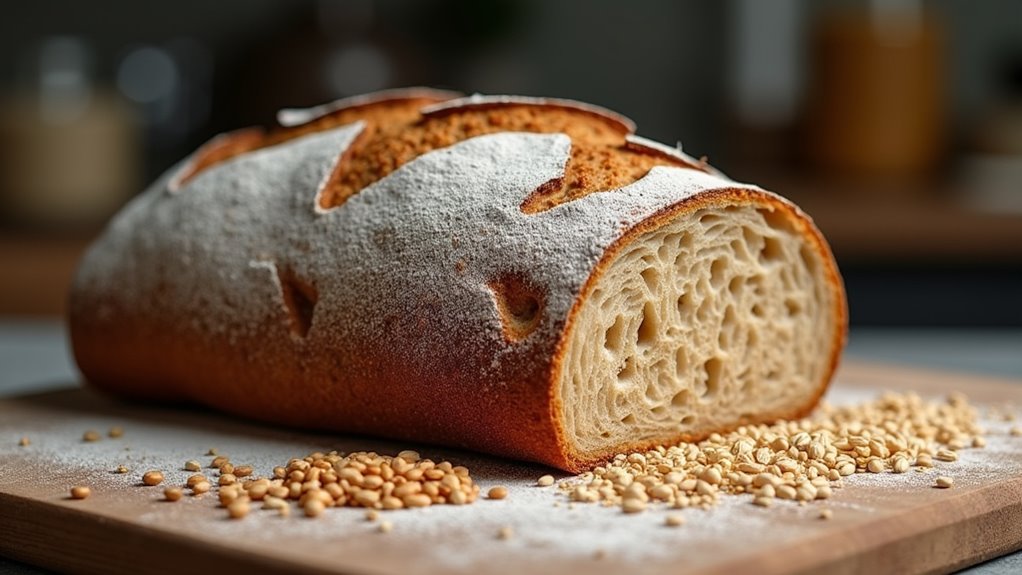
Although you might not realize it, gluten is a group of proteins found mainly in wheat, rye, barley, and triticale grains. If you’re dealing with gluten sensitivity, it’s important to know that rye contains gluten, just like wheat does.
Gluten is found in wheat, rye, barley, and triticale—important to know for gluten sensitivity.
This means that foods made from rye, such as rye bread, aren’t safe for you to eat if you need to avoid gluten. Gluten acts as a binding agent, giving dough its elasticity and structure, which is why it’s so common in baked goods.
Even though oats don’t naturally have gluten, they can get contaminated during processing, so you need to be cautious with those as well. Since triticale is a hybrid of wheat and rye, it also contains gluten.
Understanding where gluten comes from helps you make better choices and avoid foods that might trigger your gluten sensitivity. Recognizing that rye is a gluten source is a key step in managing your diet effectively.
Gluten Content in Rye Compared to Wheat
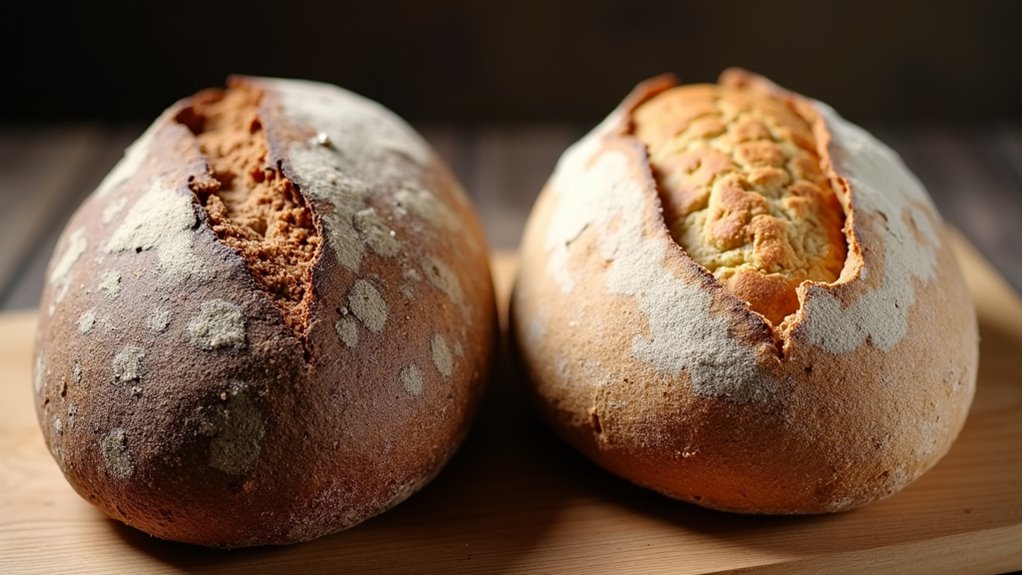
Since rye contains gluten like wheat, you might wonder how their gluten levels compare. Rye actually has about one-third less gluten content than wheat, but it still contains enough to affect those with gluten sensitivities.
Even pure rye bread made solely from rye flour isn’t gluten-free and isn’t safe for strict gluten-free diets. Also, commercial rye bread often blends in wheat flour, raising the overall gluten content.
Here’s a quick comparison:
| Grain Type | Gluten Content Level | Notes |
|---|---|---|
| Rye | Moderate | About 1/3 less than wheat |
| Wheat | High | Standard gluten source |
| Rye Bread | Variable | Often mixed with wheat |
Why Rye Bread Contains Gluten
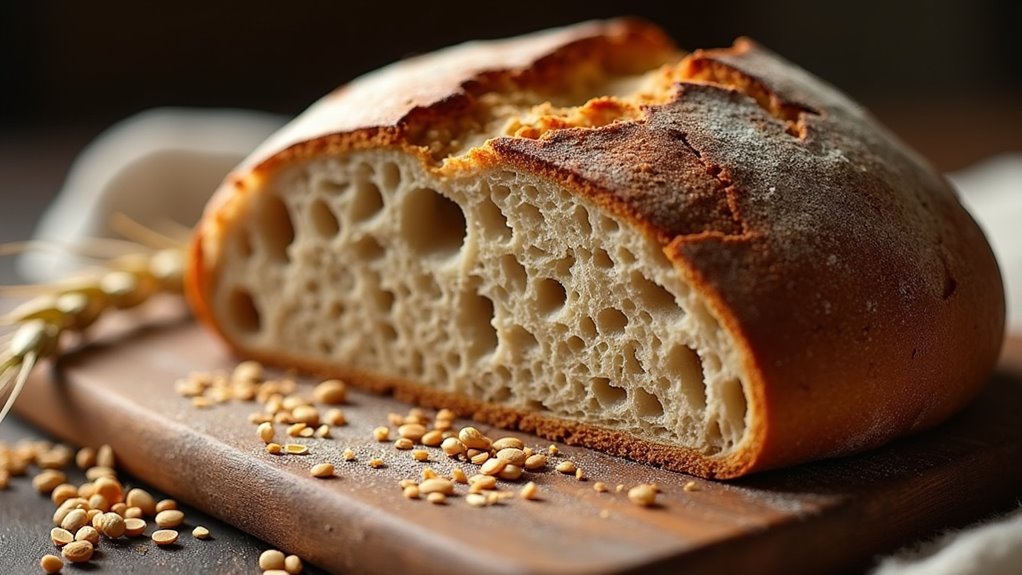
You might be surprised to learn that rye bread contains gluten because rye grains naturally have gluten proteins, though less than wheat.
Also, many commercial rye breads include wheat flour, which raises the gluten content even more. This means if you have gluten sensitivity, rye bread can still cause a reaction.
Rye’s Gluten Protein Content
When you look into why rye bread contains gluten, it comes down to the presence of secalins, gluten proteins found in rye that are similar to those in wheat. These rye gluten proteins make rye bread unsafe for anyone with celiac disease.
Although rye has about one-third the gluten content of wheat, it still contains enough gluten to trigger immune responses and intestinal damage in sensitive individuals. Even pure rye flour has gluten proteins that can cause reactions if you’re gluten intolerant.
On top of that, many commercial rye breads mix in wheat flour, increasing the gluten level further. So, if you have celiac or gluten sensitivity, you’ll want to avoid rye bread because its secalins act much like wheat gluten, posing health risks for you.
Cross-Contamination With Wheat
How does wheat end up in rye bread even if the recipe calls for just rye? Cross-contamination is often the culprit. Rye and wheat are frequently processed or stored together, so traces of wheat can mix into rye flour. This means rye bread may contain more gluten than expected, making a gluten-free label very important if you’re avoiding gluten.
Here’s how cross-contamination happens:
| Source | Risk Level | Notes |
|---|---|---|
| Shared Storage | High | Wheat and rye stored in same area |
| Processing Equipment | Medium | Machines not fully cleaned |
| Wheat Inclusion | High | Wheat flour added to rye bread |
| Packaging Facilities | Medium | Cross-contact during packaging |
| Rye Flour Purity | Low to Medium | Depends on supplier controls |
Always look for explicit gluten-free labeling if you need to avoid gluten completely.
Gluten Sensitivity Implications
Why does rye bread pose a problem for those with gluten sensitivity? Rye naturally contains gluten, which triggers immune responses similar to wheat and barley gluten. If you have gluten sensitivity or celiac disease, consuming rye bread can cause unpleasant symptoms because the gluten content is enough to provoke a reaction.
Many commercial rye breads also include wheat flour, increasing gluten levels further. Even sourdough rye bread isn’t safe since it retains enough gluten to harm sensitive individuals. Unfortunately, there aren’t widely available gluten-free rye options because rye itself inherently contains gluten.
If you need to avoid gluten, it’s best to steer clear of rye bread entirely and look for certified gluten-free alternatives that don’t contain rye or other gluten-containing grains.
Impact of Gluten in Rye Bread on Celiac Disease
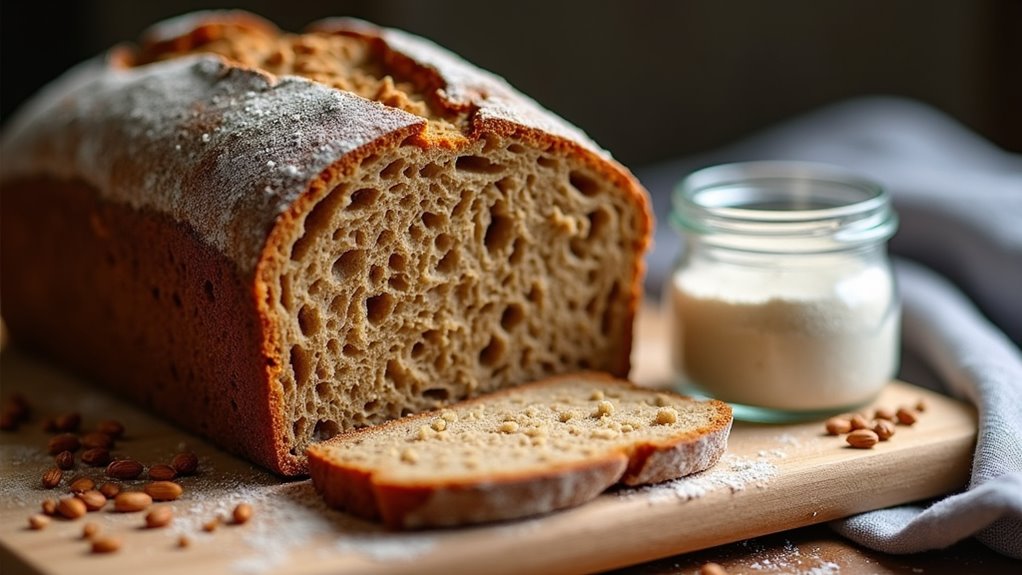
Although rye bread contains less gluten than wheat, it still poses a serious risk if you have celiac disease. Rye grains naturally contain gluten proteins that can trigger the autoimmune response characteristic of celiac disease. Even sourdough rye bread, which may have slightly reduced gluten due to fermentation, generally isn’t safe for you unless it’s specifically labeled gluten-free.
Commercial rye bread often includes wheat flour, increasing gluten content and further endangering your health. For someone with celiac disease, consuming regular rye bread can lead to serious intestinal damage and symptoms.
Because of these risks, you should avoid all rye bread unless it is certified gluten-free—a rare find. Prioritizing gluten-free alternatives helps protect your digestive system and overall well-being. So, while rye bread might seem like a less harmful choice compared to wheat bread, it’s essential you steer clear to manage your celiac disease effectively.
Gluten Sensitivity and Rye Bread Tolerance
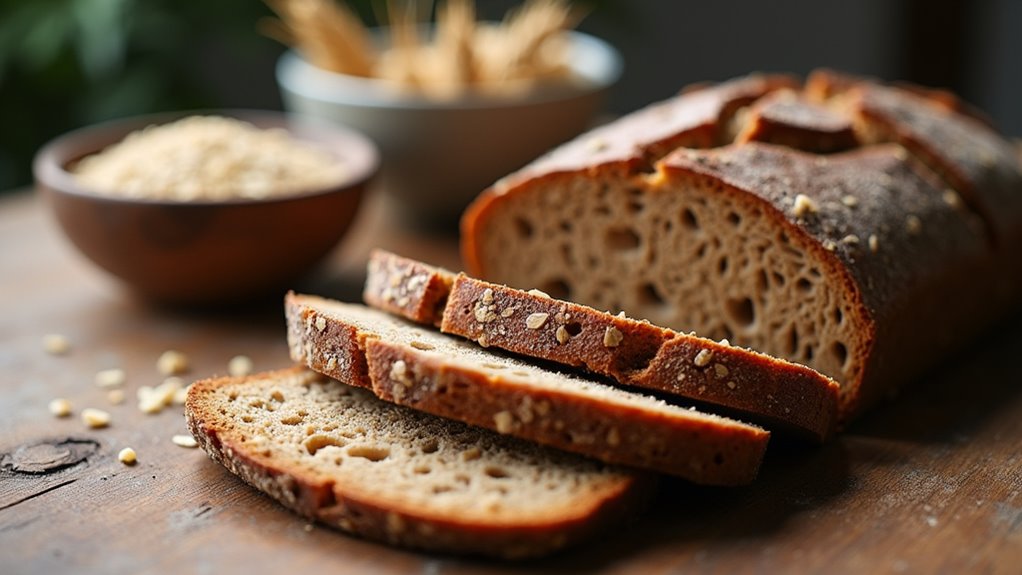
If you’re sensitive to gluten, it’s important to know that rye bread contains gluten, about one-third the amount found in wheat. Your tolerance might vary depending on how sensitive you are, but even sourdough rye can still have enough gluten to cause issues.
For those with celiac disease, it’s safest to avoid rye bread altogether.
Rye Bread Gluten Content
Since rye bread contains gluten, it isn’t safe for anyone with gluten sensitivity or celiac disease. Rye has about one-third less gluten than wheat, but that gluten content is still enough to trigger symptoms.
Most commercial rye breads even add wheat flour, increasing gluten levels and risk. Pure rye bread is rare and usually not gluten-free certified, so you can’t assume it’s safe.
Even sourdough rye undergoes fermentation that lowers gluten somewhat, but not enough for those with celiac or severe gluten intolerance.
| Aspect | What It Means For You |
|---|---|
| Rye Gluten Level | Lower than wheat but present |
| Commercial Mix | Often includes added wheat |
| Safety | Not safe for celiac or gluten sensitive |
Sensitivity and Tolerance Levels
While rye bread contains less gluten than wheat, your tolerance to it depends on how sensitive you are to gluten. If you have gluten sensitivity, you might tolerate small amounts of rye, but reactions vary widely. Rye’s gluten content is about one-third less than wheat, yet it still triggers symptoms in many.
Fermentation methods like sourdough can lower gluten levels in rye bread, but they don’t eliminate gluten completely, so caution is essential. If you have celiac disease, you should avoid rye entirely, as even minimal gluten can cause serious autoimmune responses.
Also, commercial rye bread often includes wheat flour or added gluten, so label checking is vital to avoid hidden gluten sources and protect your health.
Sourdough and Rye Bread: Gluten Reduction Effects
How much gluten does sourdough rye bread really contain? Thanks to sourdough fermentation, the gluten content in rye bread can drop markedly by about 90%. The bacteria involved in sourdough break down gluten proteins during fermentation, leading to this notable gluten reduction.
This means sourdough rye bread may be easier to digest for some people sensitive to gluten. However, it’s important to know that even with this reduction, sourdough rye still contains enough gluten to be unsafe for those with celiac disease. The exact gluten content varies depending on factors like fermentation time and the type of flour used.
Since rye bread naturally has roughly one-third less gluten than wheat bread, combining it with sourdough fermentation can lower gluten levels further. Still, if you’re highly sensitive or have celiac disease, you should avoid sourdough rye bread despite its gluten reduction benefits.
Gluten-Free Rye Bread Alternatives
Although rye bread naturally contains gluten, making it unsafe for those with celiac disease or gluten sensitivity, you can find some gluten-free alternatives that mimic its flavor. Since rye contains gluten proteins inherently, truly gluten-free rye bread is rarely available.
However, some brands offer gluten-free breads with similar taste profiles. For example, Bfree’s brown seeded loaf provides a rye-like flavor without gluten. Similarly, gluten-free pumpernickel bread, like the kind from Simple Kneads, serves as a satisfying substitute.
When choosing gluten-free alternatives, keep in mind that many products labeled as “rye” may still contain wheat or gluten. So, it’s key to look for explicitly gluten-free options designed to replace rye bread. These alternatives let you enjoy the distinctive taste associated with rye bread while avoiding gluten proteins that could cause health issues. With gluten-free rye bread alternatives, you won’t have to miss out on your favorite flavors.
Reading Labels to Identify Gluten in Bread
When you check bread labels, start by scanning the ingredient list for wheat, rye, barley, or malt, as these are common gluten sources. Keep an eye out for gluten-related terms and certified gluten-free seals to help you make safe choices.
Understanding these labels is key to avoiding gluten, especially with rye bread products.
Checking Ingredient Lists
Wondering if your rye bread contains gluten? The best way to know for sure is by checking the ingredient list on the packaging. Even though rye itself contains gluten, some rye breads also include wheat flour or other gluten-containing grains, which can increase gluten levels.
Always look out for terms like wheat, barley, malt, or rye in the ingredients. If the bread is labeled gluten-free, it means it contains less than 20 parts per million of gluten, making it safer for those avoiding gluten.
Here’s what to keep in mind when reading the ingredient list:
- Check for wheat or barley additives that add gluten
- Look for certified gluten-free labels on rye bread
- Choose brands that use pure rye or clearly state gluten-free
This helps you avoid hidden gluten in rye bread.
Recognizing Gluten Terms
Checking ingredient lists gives you a good start, but understanding the gluten-related terms on those labels helps you spot hidden gluten even more effectively. When you’re reading ingredient labels, watch out for words like wheat, malt, brewer’s yeast, semolina, and durum—these all indicate the presence of gluten.
Since gluten is found in wheat, rye, barley, and triticale, it’s essential to recognize these terms to avoid accidental gluten intake. Even if a product doesn’t explicitly say “gluten,” these ingredients can sneak in gluten.
If you need to stay gluten-free, make sure to check carefully for these terms on breads and other processed foods. Being vigilant with ingredient labels helps you manage your gluten intake safely and confidently.
Understanding Label Certifications
A key step in identifying gluten in bread is understanding label certifications. When checking for gluten content, always look for gluten-free labels that are certified gluten-free. These certifications guarantee the bread contains less than 20 parts per million (ppm) of gluten, meeting FDA standards.
You should also scrutinize the ingredient list closely. Watch out for wheat, rye, barley, malt, or brewer’s yeast, as these ingredients indicate gluten presence. Remember, some products say “wheat-free” but aren’t necessarily gluten-free.
Here’s what to keep in mind:
- Look for certified gluten-free labels to ensure safety.
- Read the ingredient list for any gluten-containing grains.
- Be cautious of “made with gluten-free ingredients” without official certification.
This helps you confidently avoid gluten in rye bread and other options.
Challenges in Finding Wheat-Free Rye Bread
Although rye bread often sounds like a safe choice, finding wheat-free versions can be frustrating because most commercial rye breads contain wheat flour. When you shop for wheat-free rye bread, you’ll quickly notice that many commercial rye bread options include wheat flour either as a primary ingredient or as a contaminant.
Gluten contamination is a common issue since rye is often processed alongside wheat, making pure rye bread rare in stores. Even if the label highlights rye, many bakeries add wheat to improve texture or flavor, so you can’t always trust the marketing.
Rye bread is often contaminated with wheat, so labels can be misleading about its purity.
If you’re committed to avoiding wheat, you might have to rely on homemade recipes or specialty stores that guarantee wheat-free rye bread. Otherwise, exploring gluten-free bread alternatives that mimic rye flavors could be more practical.
In any case, the scarcity of truly wheat-free rye bread means you’ll need to be vigilant and read ingredient lists carefully to avoid unintended gluten exposure.
Safe Bread Options for Gluten Intolerant Individuals
Since gluten intolerance varies, you’ll need to choose bread carefully to avoid symptoms. If you have celiac disease or significant gluten sensitivity, sticking to certified gluten-free bread is your safest bet. These breads are tested to contain less than 20 parts per million of gluten, ensuring they meet strict safety standards.
For those with mild gluten sensitivity, some low-gluten breads like sourdough or rye might be tolerated, but it’s essential to listen to your body and proceed cautiously.
Here are some safe bread options for gluten intolerant individuals:
- Certified gluten-free breads made from rice, tapioca, or potato starch
- Low-gluten sourdough or rye breads (only if your sensitivity is mild)
- Always check for gluten-free certification on labels to avoid hidden gluten
Frequently Asked Questions
What Bread Has the Least Amount of Gluten?
The bread with the least amount of gluten is typically sourdough, thanks to its fermentation process that breaks down much of the gluten. Rye bread also has less gluten than traditional wheat breads but still contains some.
If you’re highly sensitive or have celiac disease, you’d want to avoid anything with gluten, including sourdough and rye, and choose certified gluten-free breads instead. They’re the safest option for a gluten-free diet.
Is Rye Bread Lower in Gluten?
Rye bread is like a dimmer switch for gluten; it’s lower, but not off. You’ll find it has about one-third less gluten than wheat bread, so it’s somewhat gentler on your gut if you have mild sensitivities.
But don’t be fooled; it still contains enough gluten to cause trouble if you’re celiac or highly sensitive. So, while it’s lower, it’s not gluten-free or safe for everyone.
What Breads Are Naturally Gluten-Free?
You’ll find that naturally gluten-free breads include those made from rice, millet, buckwheat, amaranth, and quinoa. Cornbread made from pure cornmeal is also gluten-free, as are breads made from sorghum and teff.
If you want sourdough, make sure it’s made only with gluten-free flours. Always check ingredient labels carefully, since some breads might have hidden gluten from wheat, rye, or barley added in.
Which Grain Is Lowest in Gluten?
The grain lowest in gluten among common gluten-containing grains is oats. However, you should know that oats still contain a type of protein that can cause reactions, especially if they’re contaminated with wheat, barley, or rye during processing.
Conclusion
So, does rye bread have gluten? Yes, it does, but not quite like wheat. If you’re sensitive or have celiac disease, even a crumb can cause trouble.
Think of gluten as the hidden thread weaving through rye, binding it to wheat’s troubles. But don’t worry, you’ve got options.
By reading labels carefully and choosing gluten-free alternatives, you can still enjoy bread without worry. After all, your health deserves nothing less than peace of mind.